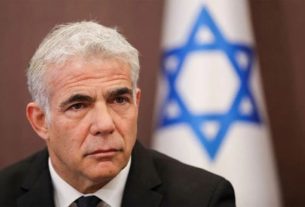
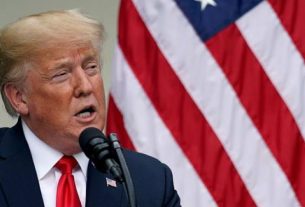
American President Donald Trump and Israeli Prime Minister Benjamin Netanyahu are facing growing disagreements over how to handle Iran, Lebanon, and the broader direction of Middle East negotiations, according to a report by The Washington Post.
The tensions reflect a shift in what had once been a closely coordinated approach. While Trump has recently focused on securing a ceasefire with Iran and reopening the Strait of Hormuz through diplomacy, Netanyahu has continued to push for sustained military pressure on Tehran. Israeli officials were reportedly surprised by Washington’s turn toward negotiation.
During a series of phone calls, Netanyahu raised doubts about the reliability of any agreement with Iran, warning that Tehran could not be trusted to honor its commitments. Trump, on the other hand, appeared increasingly concerned about the risks of a wider regional conflict and its impact on global energy markets and shipping routes.
The divide was also visible in Lebanon. Trump expressed concern over Israeli airstrikes that he believed could weaken ongoing ceasefire efforts. According to the report, their conversations grew more tense, with Trump questioning the purpose of certain military actions and urging restraint.
These disagreements mark a notable change from earlier in the conflict, when the two leaders worked closely together. Netanyahu had spent months encouraging the United States to adopt a harder stance on Iran, sharing intelligence and advocating for broader action. Trump initially supported many of these efforts but later stepped back from proposals that might have drawn the United States deeper into the conflict.
Despite their public image of unity, differences had been building behind the scenes. Netanyahu maintained frequent contact with Trump and made regular visits to Washington, highlighting their strong relationship. Military cooperation between the two countries also reached what officials described as an unprecedented level during the conflict.
However, as diplomatic and strategic priorities began to diverge, Trump reportedly started consulting a wider circle of advisers. Some officials within his administration also questioned whether Israel’s internal political considerations were shaping its military decisions.