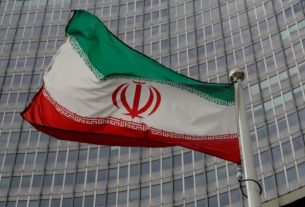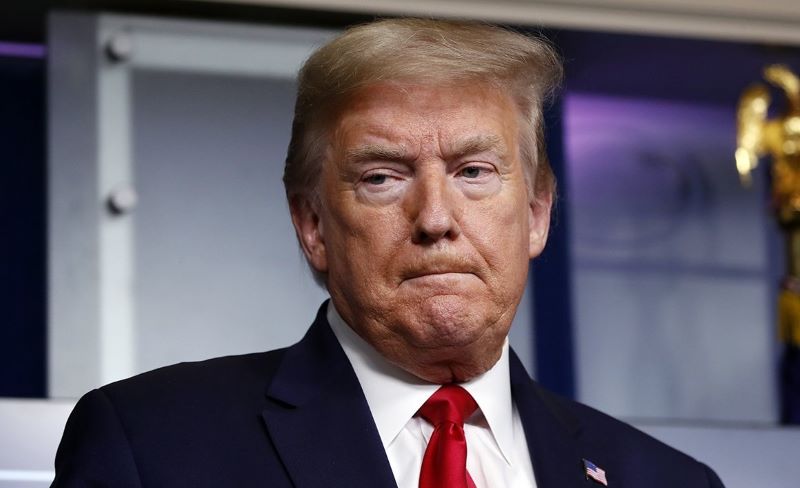
Tensions between the United States and Iran rose sharply again after a sudden exchange of fire in the Strait of Hormuz, even as US President Donald Trump insisted that a ceasefire between the two sides remains in place, according to BBC News.
According to US officials, Iranian forces launched missiles, drones, and small boats toward three American naval destroyers in what they described as an “unprovoked attack.” Trump later said Iran had “trifled with us,” warning that stronger retaliation could follow if a peace deal is not reached quickly.
Iran, however, told a very different story. Its military command accused the US of carrying out air strikes on coastal areas and targeting an Iranian oil tanker and another vessel near the strait. Tehran said it responded immediately, claiming to have caused “significant damage” to US forces and accusing Washington of breaking the ceasefire first.
The situation remains tense and unclear, with both sides blaming each other for starting the clash.
Adding to the uncertainty, the United Arab Emirates reported that its air defenses were actively intercepting missiles and drones launched from Iran early Friday. Meanwhile, Iranian state media spoke of explosions in the strait, while reports from Tehran also mentioned blasts in the capital.
Despite the flare-up, diplomatic efforts appear to be continuing. Iran had recently said it was reviewing a US proposal aimed at ending the conflict. The White House is reportedly working toward a 14-point agreement that could lead to broader nuclear talks.
Still, signs of distrust remain strong. A senior Iranian lawmaker dismissed the proposal as unrealistic, warning that Iran is ready to respond forcefully if its conditions are not met.
Both sides continue to threaten escalation. Trump has warned of heavier bombing if Iran refuses a deal, while Iranian officials say they are prepared for a “harsh” response.
For now, the ceasefire holds in name but on the ground, the risk of a wider conflict still looms.