Diplomatic channels between Madrid and Vienna have opened wider this week, marking a decisive chapter in European cooperation. The concerted push for enhanced Spain Austria bilateral investment underscores a shared strategic vision to bolster post-pandemic economic resilience, foster technological exchange, and stimulate commercial enterprise across both nations. Government officials and business leaders have converged to remove trade friction and unlock lucrative sectors for institutional and private capital.
- Spain and Austria have officially strengthened bilateral ties to boost mutual business opportunities and cross-border investment.
- The diplomatic push was highlighted during high-level meetings in Madrid involving state leaders and cultural institutions.
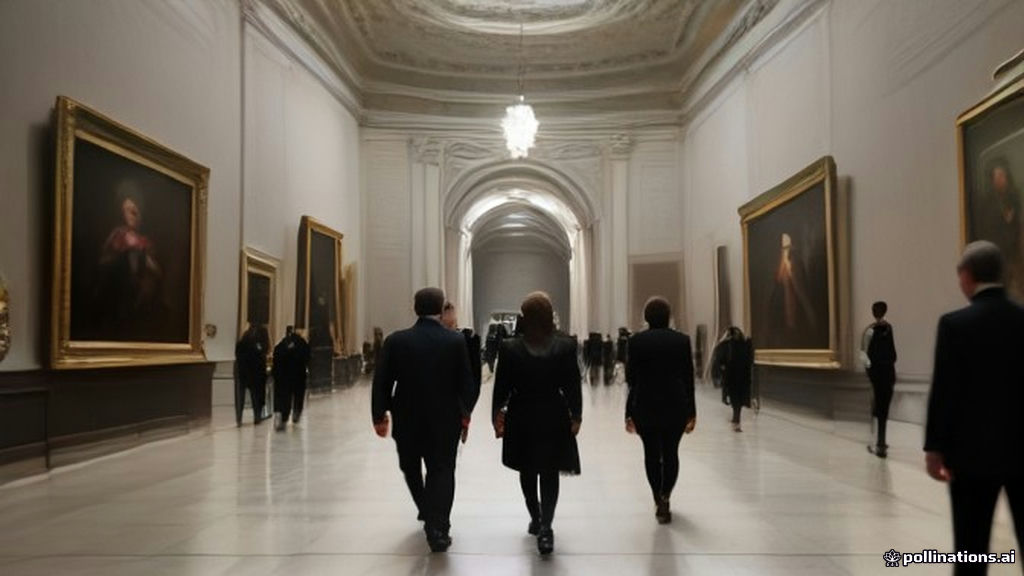
- Cultural diplomacy took center stage as the Spanish monarchs toured a major historical exhibition at the Prado Museum with Austria’s President.
- Economic analysts project positive impacts on trade volumes, technology exchange, and European market cooperation.
Ground Realities & Latest Developments
The recent high-profile diplomatic engagements in the Spanish capital signal an active pivot toward pragmatic economic diplomacy. Ministries of commerce in both countries are drafting frameworks aimed at streamlining small and medium enterprise (SME) expansion into foreign markets. Industry insiders note that renewable energy, advanced manufacturing, and digital infrastructure are prime targets for upcoming joint ventures.
By aligning regulatory approaches, Madrid and Vienna hope to create a seamless operational environment for investors seeking safe, high-yield European opportunities. Trade attachés report a surge in inquiries from manufacturing syndicates and tech startups eager to tap into each other’s domestic consumer bases.
Historical Context & Policy Background
While economic pragmatism drives current negotiations, the diplomatic framework rests on centuries of historical interaction. Relations between the Spanish crown and Central European principalities date back to the Habsburg dynasty, adding a profound layer of historical continuity to modern statecraft.
Modern integration within the European Union has steadily lowered tariff barriers, but direct bilateral frameworks of this scale are designed to cut through bureaucratic red tape. Economists argue that bilateral pacts of this nature provide essential ballast against global supply chain volatility and geopolitical shifts.
Voices from the Valley: Community & Expert Perspectives
Trade experts and economic analysts have welcomed the renewed focus on bilateral frameworks. According to market observers, diversifying trade partners within the Eurozone protects local industries from external shocks.
Deepening economic and cultural bridges between Spain and Austria creates a resilient foundation for sustainable, long-term enterprise development across the continent.
Business chambers in both nations have echoed this sentiment, emphasizing that targeted investments will generate skilled employment opportunities and foster innovation hubs in secondary cities.
Data Breakdown & Key Metrics
Bilateral Economic Indicators
- Primary Focus: Cross-border investment & trade expansion
- Key Sectors: Renewable energy, manufacturing, digital tech
- Cultural Milestone: Prado Museum joint presidential tour
- Strategic Goal: Streamlining regulatory frameworks for SMEs
Strategic Ramifications & The Road Ahead
Beyond immediate commercial gains, the strengthening of ties carries significant symbolic weight within the European Union. At a time when regional fragmentation is a persistent risk, bilateral cooperation between Western and Central European states demonstrates the enduring value of multilateralism and direct partnership.
Looking ahead, joint trade delegations are scheduled to visit industrial hubs in both countries over the coming months. These missions will allow investors to engage directly with municipal leaders, ensuring that policy agreements translate into tangible economic activity on the ground.
Frequently Asked Questions (FAQ)
What is the main objective of the recent Spain and Austria meetings?
The primary objective is to boost bilateral business ties, streamline regulatory frameworks, and increase cross-border investment in key sectors like technology and renewable energy.
How does culture factor into these diplomatic engagements?
Cultural diplomacy plays a vital role in reinforcing state relations, highlighted recently by the Spanish monarchs and the Austrian President touring a major historical exhibition at the Prado Museum.
Which industries stand to benefit most from this renewed partnership?
Small and medium enterprises (SMEs), advanced manufacturing firms, digital tech startups, and green energy companies are expected to benefit most from the new trade frameworks.
Reporting by our international desk in Madrid and Vienna. Verified against official diplomatic bulletins and institutional press releases.