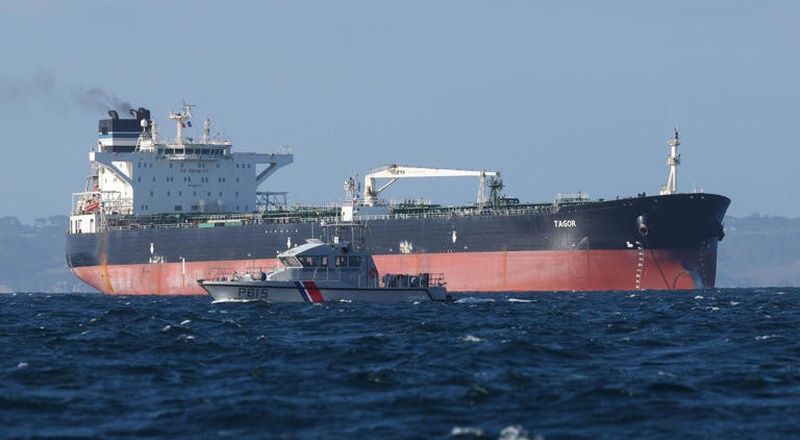
According to the Centre for Research on Energy and Clean Air (CREA), EU ports received 18 shipments in July from refineries known to process Russian crude more than double June’s total. Eight came from Turkey, while India and Georgia each accounted for five. Spain and Cyprus took in seven shipments apiece, with smaller amounts reaching Croatia, France, Greece, Italy, Malta, and the Netherlands, according to Die Presse. The petroleum products imported from these refineries in July were worth an estimated 214 million euros.
Georgia at the Center of Suspicion
Georgia has drawn particular scrutiny. A CREA investigation into the Black Sea ports of Kulevi and Batumi found troubling patterns. Just five days after the ban took effect, nearly 6,000 tons of pygas, a fossil fuel byproduct blendable into gasoline were shipped from Kulevi toward Barcelona. The pipeline-linked refinery there has relied exclusively on Russian crude since opening in October 2025, CREA says.
Batumi’s case is starker still. Between February 2023 and February 2026, the port exported more than nine times as much diesel to the EU and UK as it imported via non-Russian seaborne shipments, a mismatch CREA says raises serious questions about the fuel’s true origin.
Ninety percent of Batumi’s diesel exports in that period went to the EU and UK. Britain led with 44 percent, followed by the Netherlands (20%), Denmark (19%), Sweden (8%), Belgium (5%), and Italy (2%).