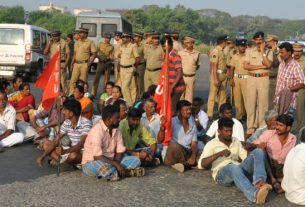
In Pakistan, the Prevention of Electronic Crimes Act (PECA) Ordinance has become a symbol of rising concerns over restrictions on free speech and press freedom. Journalists, legal experts, and civil society members have voiced strong opposition to this law, which many see as a tool to silence dissent and restrict independent journalism.
What is the PECA Ordinance?
PECA was first introduced in 2016, but its more recent amendments have sparked controversy. The ordinance broadens the powers of the government to monitor, censor, and prosecute individuals for expressing opinions online. It criminalizes vague offenses such as spreading “false information” or “defaming” institutions. Critics argue that such broad definitions allow the government to target journalists, activists, and even ordinary citizens who question those in power.
Concerns of Journalists and Lawyers
Journalists’ associations and legal experts in Pakistan have raised alarms about PECA’s implications. The Pakistan Federal Union of Journalists (PFUJ) has described the ordinance as an attack on the constitutionally guaranteed freedom of expression. Lawyers’ groups, including the Bar Councils, argue that PECA undermines fundamental rights and due process. International organizations like Reporters Without Borders and the Committee to Protect Journalists have also condemned the law, warning that it threatens press freedom in a country already struggling with censorship and harassment of journalists.
Journalists fear that PECA’s provisions will lead to self-censorship, as many will avoid reporting on sensitive political or social issues to escape legal action. Legal experts worry that it gives authorities unchecked power to stifle dissent without proper judicial oversight.
The Role of the PPP: A Paradox
The role of the Pakistan Peoples Party (PPP) in passing the PECA ordinance is viewed by many as deeply disappointing. Historically, the PPP has been a champion of press freedom, democracy, and civil liberties. Under the leadership of Zulfikar Ali Bhutto and later his daughter Benazir Bhutto, the party fought against military rule and stood up for democratic rights. Many PPP leaders and supporters faced imprisonment, torture, and even death in their struggle for a free press and political expression.
However, recent PPP leadership has faced criticism for siding with undemocratic measures, including supporting the passage of restrictive laws like PECA. Critics argue that the current leadership lacks the courage and vision of its predecessors. Instead of defending the principles that the Bhutto family once championed, the party’s current stance on press freedom appears compromised.
A Call for Reflection and Action
The PECA ordinance represents a dangerous step backward for democracy and human rights in Pakistan. Journalists and lawyers are right to demand its repeal and call for legal reforms that protect free speech and press freedom. Political parties, including the PPP, must reflect on their legacy and return to their commitment to democratic values. The sacrifices made by past generations of PPP leaders should serve as a reminder of the importance of safeguarding these freedoms for future generations.
Free speech is the foundation of any democracy, and without it, Pakistan risks losing its democratic identity. The voices of journalists, lawyers, and citizens must be heard and protected.