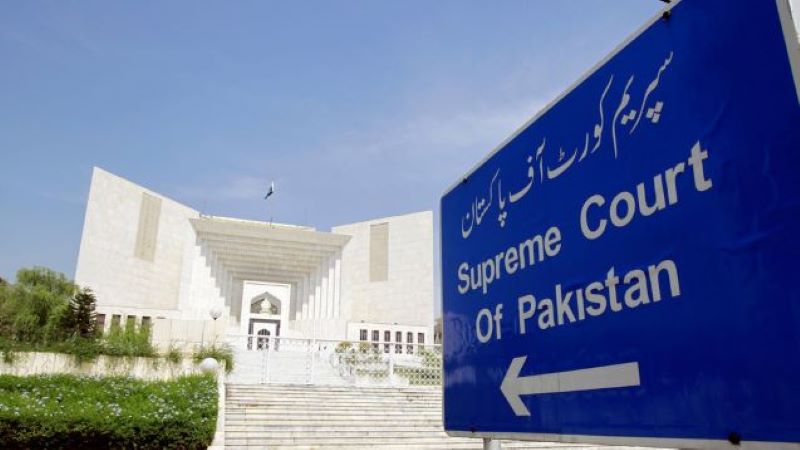
Outside Pakistan’s Supreme Court on Monday, something quietly powerful happened. A group of opposition lawmakers sat on the lawn, not inside mahogany panelled chambers, not behind microphones at press conferences but on the grass, in plain sight, demanding justice for a man losing his eyesight behind prison walls, according to Dawn News.
Former Prime Minister Imran Khan, locked away in Rawalpindi’s Adiala Jail since August 2023, is serving a 14-year sentence in a £190 million corruption case. But it is not merely his imprisonment that troubles his supporters, it is what is happening to him inside. His right eye, diagnosed with central retinal vein occlusion, now carries only 15 per cent of its vision. His family has been barred from visiting. His personal doctors have been kept away. And his cases before the Supreme Court? They have not moved forward in nearly three years, a delay that opposition leaders describe as coldly deliberate.
Senate Opposition Leader Allama Raja Nasir Abbas and PTI Secretary General Salman Akram Raja led Monday’s protest, joined by several members of the national and provincial assemblies. Their demands were straightforward and human: let his family see him, let his own doctors examine him, and schedule his court hearings without further delay.
“Not just his eye, his entire body needs examination,” Raja told reporters, his voice carrying genuine alarm.
The pattern of adjournments spanning three years has drawn sharp criticism. Legal observers and opposition figures alike argue that Khan’s cases are being deliberately shelved to keep him imprisoned without resolution, justice denied not through verdict, but through silence.
His sister has feared for his life. His party does not trust government medical reports. And a nation that once watched him play cricket, govern a country, and fill stadiums, now watches to see if he can still see at all.
Meanwhile, Ramazan has arrived. The protests have paused. But the question has not gone away: how long can a democracy imprison its most prominent political figure while his cases gather dust and his sight quietly disappears?