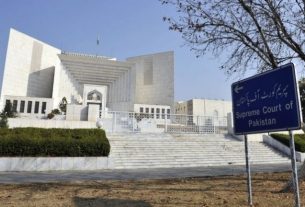
Foreign ministers from Pakistan, Turkiye, Egypt, and Saudi Arabia gathered in Islamabad this week to call for calm amid growing fears of a wider regional war involving Iran, Israel, and the United States, according to Al Jazeera News. Their meeting underscored a shared goal: to defuse escalating violence before it spirals beyond control.
The talks came as Iran’s parliament speaker, Mohammad Bagher Ghalibaf, accused the United States of preparing a ground invasion under the cover of diplomatic gestures. Washington, meanwhile, continues to emphasize dialogue to end the conflict, denying any plans for direct military intervention.
Tensions soared after Iran warned it could retaliate by targeting Israeli and American universities in the Middle East. The threat followed a series of powerful explosions shaking Tehran and reports of casualties in the cities of Shaft and Bandar Khamir.
At the same time, Yemen’s Houthi movement launched a second wave of missile and drone strikes at Israel, declaring their campaign would continue “until Israel ceases its attacks and aggression.” Israel has yet to comment on the latest assault but has vowed to maintain its military operations.
Across the region and beyond, protests reflected growing public outrage at the conflict. Demonstrators marched through Tel Aviv, demanding an end to the war, while rallies spread across major U.S. cities calling for restraint from all sides. In Beirut, crowds gathered after Israel’s reported killing of three journalists in a targeted strike, an incident that has deepened anger and grief across Lebanon.
As diplomats push for peace and rival forces trade accusations, the world watches anxiously. Whether the calls for de-escalation will hold remains uncertain in a region already strained by years of unrest and bloodshed.__Photo Courtesy X