A dramatic escalation in Middle East tensions on Friday forced the closure of major airspace corridors and prompted airlines across the globe to cancel or reroute thousands of flights, as Israel launched strikes on Iranian military and nuclear targets, as reported by Reuter News Agency.
Israel said its operation targeted ballistic missile facilities, nuclear infrastructure, and top military figures in what it warned could become a prolonged campaign to prevent Iran from developing a nuclear weapon. The attacks, which mark a significant escalation in regional hostilities, prompted immediate closures of Iranian, Iraqi, and Jordanian airspace.
Ben Gurion Airport in Tel Aviv was shut down, and Israel’s air defense systems were placed on high alert for possible Iranian retaliation. El Al, Israel’s national carrier, suspended operations alongside Air France-KLM, Ryanair, and Wizz Air. Delta Airlines also halted flights to Tel Aviv through the end of August. Israeli airlines, including Israir and Arkia, began moving aircraft out of the country.
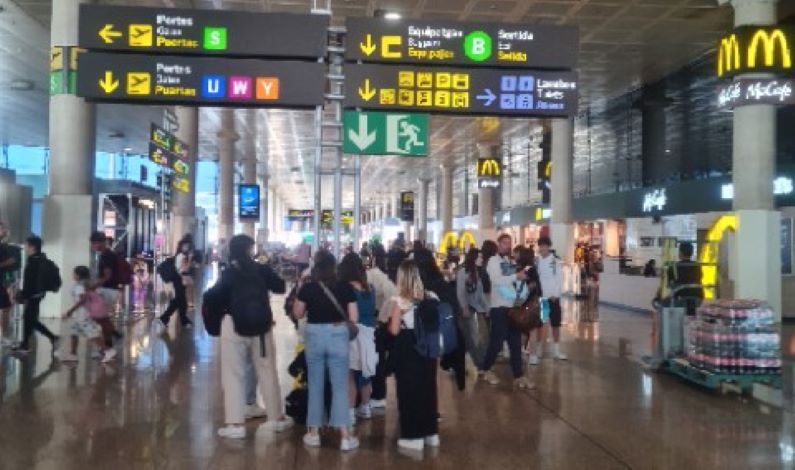
Flight tracking data showed empty skies over Iran, Iraq, and Jordan, with commercial aircraft rerouting through safer corridors via Saudi Arabia, Egypt, Turkey, and Azerbaijan. Over 1,800 European flights were impacted on Friday alone, including 650 cancellations, according to Eurocontrol.
Airlines in India, Germany, the UAE, Qatar, and Russia also announced flight suspensions and diversions. Russia’s civil aviation authority banned its airlines from flying over or to Iran, Iraq, Israel, and Jordan until June 26.
The Middle East has become increasingly vital for global aviation since the closure of Russian and Ukrainian airspace, but the latest conflict has further narrowed safe passage. The impact reverberated across markets, with shares in major carriers like IAG, Delta, and Ryanair falling and oil prices surging amid concerns over fuel costs.
With the skies above the region growing more volatile, the world’s airlines are once again navigating a geopolitical minefield.