Israel Orders New Strikes on Beirut as Ceasefire Hopes Diminish
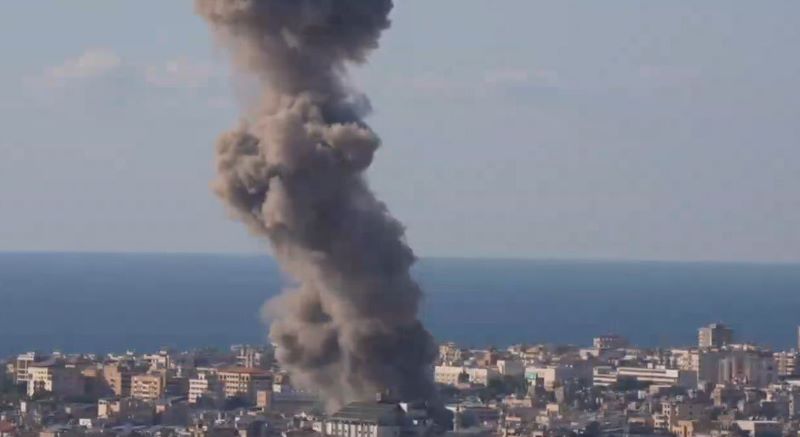
BEIRUT — Hopes for a reduction in violence in the Middle East weakened on June 1 after Israel announced plans to resume strikes on Beirut’s southern suburbs, a stronghold of the Lebanese militant group Hezbollah, according to Hurriyet Daily News.
In a joint statement, Israeli Prime Minister Benjamin Netanyahu and Defense Minister Israel Katz said the military had been instructed to target what they described as Hezbollah positions in the Dahiyeh district. Israeli officials accused Hezbollah of repeatedly violating the ceasefire and launching attacks against Israeli communities.
The conflict in Lebanon intensified on March 2 when Hezbollah fired rockets toward Israel, saying the action was retaliation for the U.S.-Israeli killing of Iran’s supreme leader. A ceasefire agreement that took effect on April 17 was intended to halt the fighting, but both sides have continued to accuse each other of breaking the truce.
The threat of renewed strikes sparked anxiety across Beirut’s southern suburbs. Families hurried to leave the area, some riding scooters with children and carrying only a few belongings. Others packed cars with bags, blankets, and personal items as they sought safety elsewhere.
Among them was Hadi, a 24 year old resident who said he had hoped the ceasefire would bring a period of stability after months of uncertainty.
Diplomatic efforts to ease tensions also appeared to face challenges. A senior U.S. official said Secretary of State Marco Rubio had spoken with Lebanese President Joseph Aoun and Netanyahu, emphasizing that Hezbollah should halt attacks as a first step toward reducing hostilities.
Meanwhile, Israeli forces expanded ground operations in southern Lebanon, seizing Beaufort Castle, a strategic hilltop site that overlooks large areas of the region. The development has further raised concerns that the conflict could deepen despite ongoing diplomatic efforts.