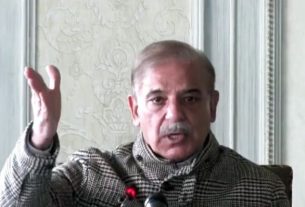
TEHRAN — Iran’s foreign minister said Wednesday that the International Atomic Energy Agency (IAEA) has acknowledged the need for a new framework to govern cooperation with Tehran, amid heightened tensions over nuclear inspections and the threat of renewed sanctions, reported by Mehr News Agency.
Speaking late Wednesday, Abbas Araghchi cautioned that “no new cooperation will be there until the negotiations are concluded,” signaling Tehran’s reluctance to make concessions before broader talks are resolved.
Araghchi vowed Iran would resist attempts to reinstate United Nations sanctions through the so-called “snapback mechanism,” which Britain, France, and Germany have warned they could trigger in response to Tehran’s nuclear activity. “We will do everything we can to prevent the reimposition of UN sanctions and to demonstrate that the snapback mechanism is illegal,” he said, reiterating Iran’s longstanding position that such a move would violate international agreements.
The minister’s comments appeared to answer remarks from IAEA chief Rafael Grossi, who earlier urged Iran to swiftly agree on inspection terms and said the agency hoped to hold another round of talks with Tehran within days.
For now, cooperation remains on hold. Last year, Iran’s parliament passed a law limiting the country’s engagement with the IAEA, requiring that any future access to nuclear sites be approved by the Supreme National Security Council. That decision followed growing disputes with Western powers over the scope and transparency of inspections.
According to the Associated Press, Tehran and the IAEA have yet to finalize an agreement on how future inspections will proceed. The standoff underscores the fragile state of nuclear diplomacy as Iran, the agency, and world powers weigh next steps that could determine whether oversight resumes or sanctions return.
Araghchi’s remarks signal Tehran’s strategy: holding its ground on inspections while pressing for a new, mutually defined cooperation framework with the UN watchdog.