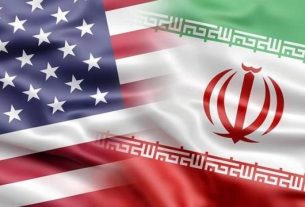
In a sharp rebuke to Washington, Iran has formally rejected a new U.S.-drafted nuclear proposal, asserting that it fails to respect Tehran’s sovereignty or soften American demands over uranium enrichment, as reported by NDTV. The move signals deepening tensions just as talks on Iran’s nuclear program are poised to enter a sixth round.
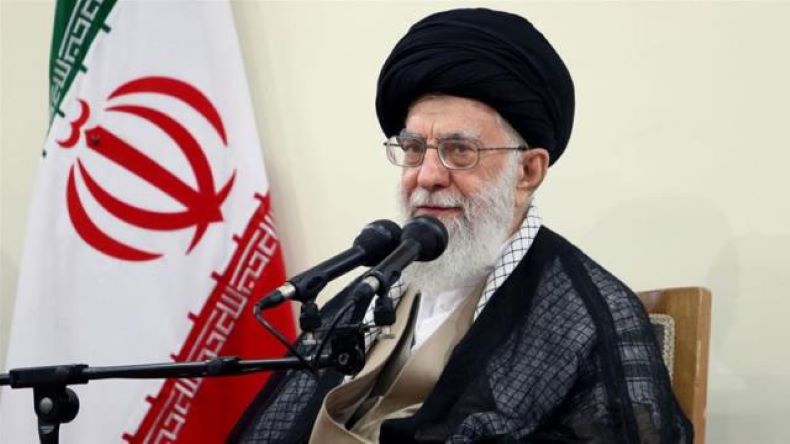
Supreme Leader Ayatollah Ali Khamenei on Wednesday reiterated that Iran will not abandon its uranium enrichment — a cornerstone of its nuclear policy. Speaking during a nationally televised ceremony marking the anniversary of the Islamic Republic’s founder, Khamenei called enrichment “the key to our nuclear program,” and accused the U.S. of attempting to undermine Iran’s self-reliance.
“Independence means not waiting for a green light from America,” he said, dismissing the proposed deal as antithetical to the ideals of the 1979 Islamic Revolution.
The U.S., meanwhile, has warned of “grave consequences” should Iran walk away from the proposed deal. “It’s in their best interest to accept it,” White House Press Secretary Karoline Leavitt said Tuesday, echoing President Donald Trump’s hardline stance. Trump reaffirmed via Truth Social that any future deal “WILL NOT ALLOW ANY ENRICHMENT OF URANIUM.”
The latest proposal, reportedly delivered by Trump’s special envoy Steve Witkoff, aims to curtail Iran’s enrichment program and reimpose strict monitoring. However, Tehran maintains that enrichment is a sovereign right under the Nuclear Non-Proliferation Treaty (NPT), and views U.S. conditions as overreach.
Foreign Minister Abbas Araghchi stated that Iran’s response would be guided by “principles, national interests, and the rights of the Iranian people.”
This latest impasse follows a UN atomic watchdog report indicating Iran conducted undisclosed nuclear activities at three sites — a claim Iran denies, accusing the agency of bias.
With negotiations at a critical juncture, speculation persists over a possible interim agreement. But with both sides holding firm, prospects for de-escalation remain uncertain.