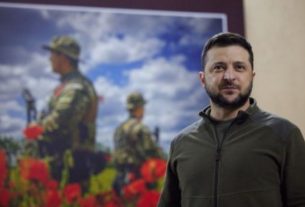
In a hopeful turn of events, Ukrainian President Volodymyr Zelensky announced that Ukraine is ready to meet with Russia for direct ceasefire talks. Speaking with cautious optimism, Zelensky said, “It is a positive sign that the Russians have finally begun to consider ending the war.” His statement signals a possible turning point in the long and devastating conflict.
However, Zelensky was clear about Ukraine’s expectations. He insisted that Russia must confirm a ceasefire that is “full, lasting, and reliable,” beginning as early as tomorrow. The Ukrainian leader’s demand underscores the country’s desire for peace—but also its need for firm and trustworthy commitments.
Only hours earlier, Russian President Vladimir Putin called for direct talks with Ukraine to begin on May 15. His appeal followed a high-stakes visit by leaders from the UK, Germany, France, and Poland to Kyiv. These European leaders gathered to press for a 30-day ceasefire, emphasizing the human cost of war and the urgency of silencing the guns.
Their unified voice came with a warning: if Russia does not agree to the proposed truce, it will face “new and massive” sanctions.
As the world watches closely, hope flickers like a candle in the wind. The drums of war may still echo, but the promise of peace now whispers louder than before. Whether these talks will bring an end to the suffering remains to be seen—but the door, at last, appears to be opening.