As tensions continue to rise in the Middle East, Gulf nations have called on the United Nations Security Council to take urgent action to protect the Strait of Hormuz, one of the world’s most critical shipping routes, according to AFP.
Speaking at the first Security Council meeting focused on cooperation with the Gulf Cooperation Council (GCC), Secretary General Jassem al-Budaiwi urged the UN to authorise the use of force to ensure safe passage through the strategic waterway. The GCC includes Saudi Arabia, the United Arab Emirates, Bahrain, Qatar, Kuwait, and Oman.
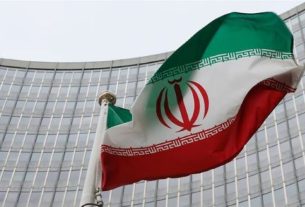
Al-Budaiwi accused Iran of tightening its grip over the Strait by blocking commercial ships and oil tankers and by placing restrictions on vessels seeking to pass through. He said the situation has severely disrupted international navigation and called on the Security Council to “assume its full responsibility” in restoring maritime security.
The crisis comes amid escalating regional conflict. Iran’s actions are being seen as retaliation for recent US-Israeli strikes, which have fueled a month-long war in the region. The Strait of Hormuz, a narrow but vital passage between the Persian Gulf and the Arabian Sea, handles nearly one-fifth of the world’s oil and liquefied natural gas supplies during normal times.
Bahrain has introduced a draft UN resolution that would allow member states to take “all necessary measures” to guarantee free transit through the Strait. However, the proposal has sharply divided the 15-member Security Council.
According to diplomatic sources, Russia, China, and France, all permanent members with veto power, have raised serious objections, despite several revisions to the draft. Russia’s deputy representative, Anna Evstigneeva, said any resolution must address the conflict’s deeper causes and avoid being “one-sided and unbalanced.”
Meanwhile, French President Emmanuel Macron has described the idea of a military operation to reopen the Strait as “unrealistic.”
The near-total disruption of this vital trade route has already begun to shake global markets, driving up the prices of oil, liquefied natural gas, and fertilisers, while increasing fears of a wider economic impact.