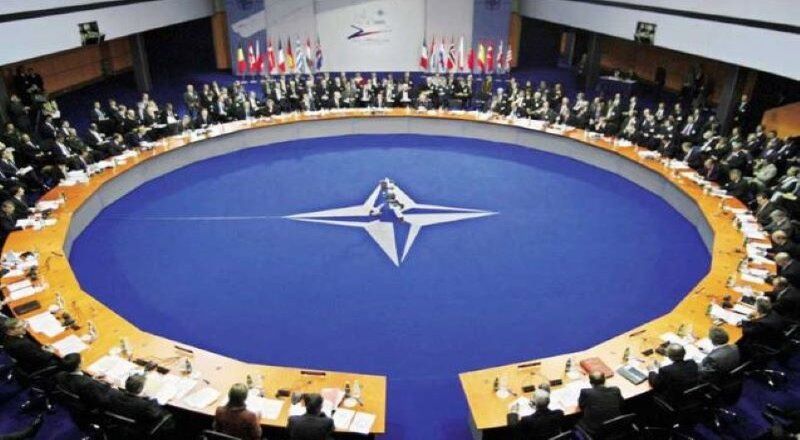
Germany’s defence minister has described the United States’ decision to withdraw 5,000 troops from the country as “foreseeable,” even as NATO allies seek clarity on what the move means for Europe’s security, according to BBC News.
Speaking to German news agency DPA, Boris Pistorius said the presence of American forces in Germany remains important for both nations. Still, he acknowledged that the shift reflects a broader change in US military priorities.
NATO officials also appeared cautious. Alliance spokeswoman Allison Hart said discussions were ongoing with Washington to better understand the scope and timing of the withdrawal.
The decision comes at a tense moment in transatlantic relations. US President Donald Trump recently criticized German Chancellor Friedrich Merz after Merz accused Washington of being “humiliated” by Iran during ongoing negotiations linked to the conflict in the Middle East. Shortly after, the Pentagon confirmed plans to reduce troop levels in Germany over the next six to twelve months.
The United States currently has more than 36,000 troops stationed in Germany, its largest military presence in Europe. Smaller contingents are based in countries such as Italy and the United Kingdom. Trump has also suggested he may scale back forces in other European nations as part of a broader strategy to shift focus toward the Indo-Pacific region.
The move has raised concerns within NATO, where leaders fear it could weaken the alliance at a time of growing global uncertainty. Polish Prime Minister Donald Tusk warned that internal divisions pose a greater risk than external threats, urging allies to strengthen their unity.
Even some senior Republicans in the US expressed concern, arguing that maintaining a strong military presence in Europe is vital for deterrence and stability.
Pistorius emphasized that Europe must take on more responsibility for its own defence. Germany, he noted, is increasing military spending significantly and is on track to exceed NATO targets in the coming years.
As the US recalibrates its global strategy, Europe now faces a pressing question: how to secure its future while keeping the transatlantic alliance intact.