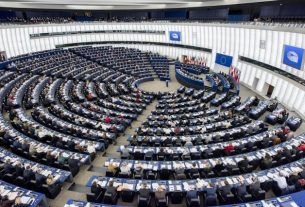
In a decisive legislative session that sent immediate shockwaves across European financial markets, the German parliament has officially approved the German 2027 budget, unlocking a historic $610 billion expenditure plan. Lawmakers gathered in Berlin to finalize the monumental fiscal framework, which addresses mounting infrastructural deficits, defense commitments, and social welfare demands. This unprecedented financial blueprint redefines national priorities, setting a striking precedent for public spending within the European Union.
- The German parliament officially approved a record-breaking $610 billion national expenditure plan for the year 2027.
- Financial analysts highlight significant shifts in state allocations toward infrastructure, technological resilience, and social security.
- Legislative debates revealed sharp divisions among coalition partners regarding long-term fiscal discipline versus immediate spending needs.
- This unprecedented fiscal package sets a new benchmark for European economic strategy amid ongoing continental market volatility.
Ground Realities & Latest Developments
The path to ratifying the German 2027 budget was fraught with intense parliamentary negotiations and fierce opposition warnings regarding long-term national debt. Economic ministers defended the $610 billion price tag as an absolute necessity to counter structural stagnation, supply chain vulnerabilities, and regional security shifts. On the streets of Berlin, citizens and business owners expressed mixed reactions, balancing relief over sustained public investment with anxiety over potential inflationary pressures.
Historical Context & Policy Background
Historically, Berlin has maintained a reputation for stringent fiscal conservatism, famously anchored by constitutional debt brakes designed to limit public borrowing. However, consecutive crises ranging from energy shocks to industrial transformation demands have forced a dramatic pivot in state planning. The approval of this massive financial package signals a fundamental departure from traditional austerity models toward proactive, state-backed economic stimulus.
Data Breakdown & Key Metrics
- Total Approved Outlay: $610 Billion
- Primary Focus Sectors: Infrastructure, Modernization, Social Protection
- Legislative Approval Margin: Majority Coalition Consensus
Voices from the Valley: Community & Expert Perspectives
Financial experts across Frankfurt and Berlin have scrutinized the sheer scale of the new fiscal package. While industrial leaders welcome the injection of capital into green technology and logistics, independent economists warn of the compounding interest burdens facing future generations.
We are witnessing a structural rewriting of fiscal norms. The sheer magnitude of this spending forces us to rethink how modern industrial economies manage long-term systemic risk.
Strategic Ramifications & The Road Ahead
The long-term success of the German 2027 budget will depend heavily on efficient fund execution and agile bureaucratic oversight. As neighboring eurozone economies monitor Berlin’s spending trajectory, questions remain regarding how this massive liquidity infusion will influence broader monetary policy governed by the European Central Bank. Policymakers now face the delicate task of channeling these funds directly into high-yield domestic sectors without triggering runaway inflation.
Frequently Asked Questions (FAQ)
What is the total value of the newly approved German 2027 budget?
The German parliament has approved a record expenditure of $610 billion for the fiscal year 2027.
Why is this specific budget considered historic?
It breaks previous spending records and reflects a significant shift away from traditional strict austerity toward aggressive public investment in modernization and infrastructure.
How does this financial plan affect European markets?
As Europe’s largest economy expands its public expenditure, neighboring eurozone nations are closely analyzing potential impacts on inflation, borrowing costs, and regional economic stability.
Reporting by our international financial desk in Berlin. Verified through official parliamentary transcripts and economic briefings.