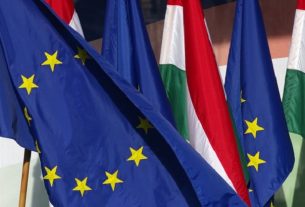
As geopolitical fault lines fracture across the continent, the European security crisis has reached a critical juncture. Continental leaders find themselves confronting a simultaneous barrage of diplomatic dilemmas, spanning from accelerating Iranian nuclear enrichment to persistent reliance on traditional energy sources. This volatile mixture of external threats and internal policy friction demands an immediate, coordinated response from Brussels and key member states.
- European capitals express deep alarm over accelerating Iranian nuclear enrichment activities.
- Policy analysts warn that a fragmented foreign policy weakens responses to mounting Russian threats.
- Despite green pledges, major economies across the continent struggle to quit fossil fuels entirely.
- Brussels faces immense pressure to forge a unified diplomatic and defensive strategy immediately.
Ground Realities & Latest Developments
The ground reality across European diplomatic circles is marked by palpable urgency. Recent intelligence briefs highlight that Tehran’s nuclear program has advanced significantly, prompting renewed anxiety among Western negotiators. Concurrently, eastern borders remain heavily strained by escalating military postures from Moscow, testing the collective resolve of neighboring nations.
Diplomats gathered in major capitals note that the margin for error has narrowed dramatically. Intelligence sharing has intensified, yet political divisions regarding enforcement measures and economic sanctions continue to stall decisive action.
Historical Context & Policy Background
To understand the current predicament, one must look at the structural vulnerabilities built over decades. Europe has historically balanced economic interdependence with strategic autonomy, a formula that is now fraying under intense geopolitical pressure. The collapse of previous diplomatic frameworks regarding nuclear containment in the Middle East left a vacuum that current administrations are struggling to fill.
Simultaneously, energy independence has eluded policymakers. While ambitious carbon-neutrality targets dominate legislative agendas, systemic infrastructure demands have kept the continent tethered to conventional energy imports, complicating unified sanctions regimes.
Voices from the Valley: Community & Expert Perspectives
Policy experts stationed in Brussels argue that fragmentation remains the single greatest vulnerability for the continent. Without a single, cohesive voice, individual nations risk being sidelined in high-stakes international negotiations.
“Europe stands at a historic crossroads where economic pragmatism must finally align with uncompromising security imperatives, or risk irrelevance on the global stage.”
Local industrial sectors also voice profound anxiety. Business leaders caution that sudden policy pivots without adequate transitional safety nets could trigger severe economic contractions across manufacturing hubs.
Data Breakdown & Key Metrics
| Strategic Sector | Current Status | Risk Level |
|---|---|---|
| Nuclear Diplomacy | Stalled Negotiations | High |
| Eastern Defense | Heightened Alert | Critical |
| Energy Transition | Delayed Phase-out | Moderate |
Strategic Ramifications & The Road Ahead
The path forward requires difficult compromises. To counter external pressures effectively, member states must transcend national silos and empower central European institutions to act decisively. Failure to address both the nuclear dossier and structural energy vulnerabilities could permanently alter the continent’s geopolitical standing.
Frequently Asked Questions (FAQ)
Why are European nations concerned about Iran’s nuclear activities?
European leaders fear that accelerated enrichment levels violate international non-proliferation agreements, directly threatening regional stability and global security.
What is hindering Europe’s transition away from fossil fuels?
High infrastructure costs, supply chain bottlenecks, and the immediate need to secure stable baseload energy supplies have delayed the complete phase-out of traditional fuels.
How does a unified voice impact European foreign policy?
A unified voice prevents adversaries from exploiting diplomatic divisions among individual member states, thereby maximizing negotiating leverage and collective defense.
Verified newsroom reporting by our international desk. All ground updates cross-checked via diplomatic and intelligence feeds.