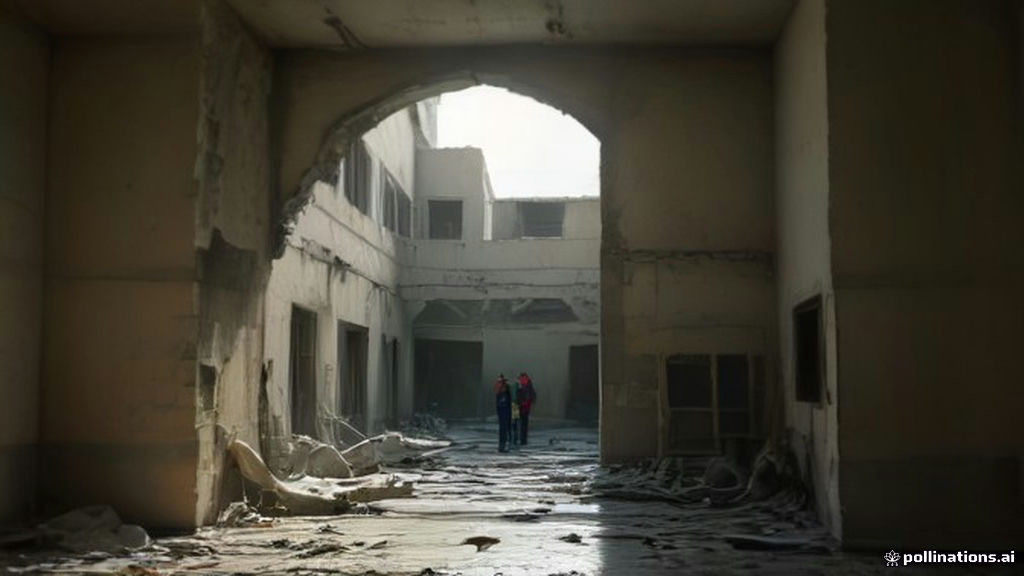
An Israeli strike in Gaza has claimed the lives of two staff members working with Médecins Sans Frontières (Doctors Without Borders) inside a local medical facility, according to statements released by the international charity. The tragic incident highlights the escalating dangers confronting medical personnel and humanitarian relief workers operating in active conflict zones across the region, where health infrastructure remains severely compromised.
- An Israeli strike in Gaza has killed two Médecins Sans Frontières staff members at a clinic.
- Humanitarian agencies have issued urgent appeals for the immediate protection of medical personnel.
- The incident intensifies global scrutiny over the safety of aid operations in active combat areas.
- Local medical facilities continue to struggle amid severe shortages and ongoing security threats.
Ground Realities & Latest Developments
The latest casualties occurred when a military strike impacted a clinic where medical teams were providing essential care to wounded and vulnerable civilians. Médecins Sans Frontières confirmed the deaths of their personnel, expressing deep grief and outrage over the ongoing loss of aid workers in the territory. Field reports indicate that medical facilities, which are designated as protected spaces under international humanitarian law, have repeatedly found themselves in the crossfire of escalating military operations.
Historical Context & Policy Background
Since the intensification of hostilities in Gaza, humanitarian organizations have documented numerous incidents involving damage to medical infrastructure and casualties among relief personnel. Despite repeated appeals to all warring parties to respect the neutrality of healthcare facilities, aid groups report an increasingly hostile operating environment. International protocols dictate strict adherence to the protection of medical workers, yet the realities on the ground reflect a deteriorating landscape where humanitarian access is constantly constrained.
• Casualties: 2 MSF staff members confirmed dead
• Location: Medical clinic in Gaza
• Status: Active humanitarian zone under severe operational strain
Voices from the Valley: Community & Expert Perspectives
Humanitarian advocates and medical experts have reiterated that the systematic targeting or endangerment of relief workers obstructs critical life-saving operations. Local residents and surviving health workers describe an atmosphere of profound grief and exhaustion as medical teams attempt to maintain basic health services under constant threat.
The loss of our colleagues is a devastating blow to our team and to the patients who rely on us for survival in this unimaginable crisis.
Strategic Ramifications & The Road Ahead
The killing of aid workers by an Israeli strike in Gaza is expected to intensify diplomatic pressure from international bodies and foreign governments. As humanitarian agencies weigh the suspension of certain field operations due to safety concerns, the vulnerable civilian population faces an even steeper decline in accessible healthcare services. The incident serves as a stark reminder of the urgent need for enforced accountability and robust safety corridors for humanitarian missions.
Frequently Asked Questions (FAQ)
What happened during the recent Israeli strike in Gaza?
An Israeli strike hit a medical clinic in Gaza, resulting in the deaths of two staff members belonging to Médecins Sans Frontières (Doctors Without Borders).
Which organization lost staff members in the attack?
The international medical humanitarian organization Médecins Sans Frontières confirmed the loss of two of its dedicated workers.
What are the broader implications for aid workers in the region?
The incident heightens safety concerns for all relief personnel, potentially disrupting critical healthcare delivery for civilians trapped in the conflict zone.