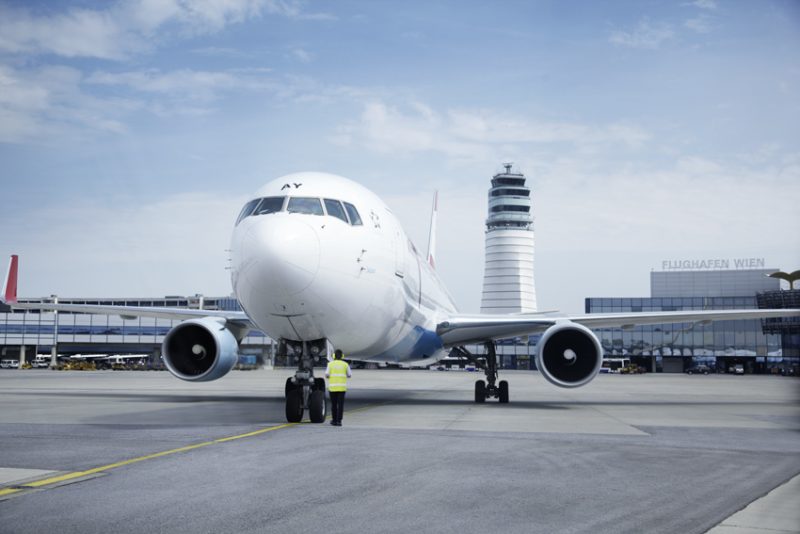
Europe may have only six weeks of jet fuel left unless new shipments arrive, the International Energy Agency (IEA) warned this week, raising alarm across the continent’s aviation industry, according to BBC News.
The crisis stems from Iran’s closure of the Strait of Hormuz, the world’s main shipping route for jet fuel, in retaliation for recent US and Israeli strikes. The shutdown has lasted more than six weeks, sending prices soaring and sparking fears of shortage. The IEA’s executive director, Fatih Birol, told the Associated Press that flights could soon be canceled if supplies do not resume.
In its latest oil market report, the IEA said exports from the Gulf are vital to the global supply chain, feeding refineries from Korea to China that also rely on Middle Eastern crude. “This has thrown a wrench into the inner workings of aviation fuel markets,” the report said.
Europe traditionally imports about three-quarters of its jet fuel from the Middle East. As supplies dwindled, countries began scrambling for alternatives, turning to the United States and Nigeria. American exports have surged, but even at full volume, they would only make up a little more than half of the missing Gulf fuel. If Europe cannot replace 50 percent of lost imports, the IEA predicts certain airports could face “physical shortages” by June, with flight cancellations beginning soon after.
By contrast, if three quarters of supplies are replaced, shortages may not appear until August but still loom as a real threat. “European markets will need to work harder to attract new cargoes to maintain inventories over summer,” the agency warned.
Amaar Khan, head of jet fuel pricing at Argus Media, said even if Gulf shipments resume soon, recovery will be slow. “Some areas will feel the pinch,” he said. “Big hubs like Heathrow will be prioritized, but smaller airports might struggle.”
Fuel costs have surged to record highs, more than doubling since the conflict began. Jet fuel now costs roughly $1,838 per tonne, compared with $831 before the war, a blow for airlines already battling tight margins. Carriers such as EasyJet and KLM have begun canceling flights and reporting heavy financial losses.
While the European Commission insists there is “no evidence” of shortages yet, it acknowledges that supply problems could emerge if the Strait of Hormuz remains closed. Emergency coordination groups now meet weekly to assess fuel and energy reserves, as airport associations warn that Europe could face widespread disruption within weeks.
For millions of travelers expecting summer holidays, that warning comes with a hint of uncertainty, Europe’s skies may not stay open quite as smoothly as planned.