China has urged Iran and the United States to return to diplomacy and revive an agreement aimed at ending their conflict, as fighting continues to threaten stability across the Middle East and disrupt vital energy routes.
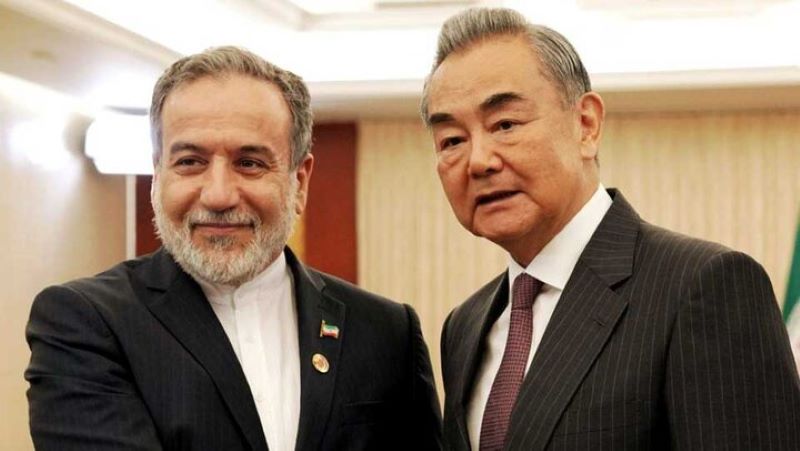
Chinese Foreign Minister Wang Yi made the appeal during talks with his Iranian counterpart, Abbas Araghchi, in Beijing on Wednesday. Araghchi arrived with a diplomatic delegation for a one-day visit focused on bilateral relations and major regional and international developments, according to IRNA.
Wang called on Tehran and Washington to remain calm, show restraint and return to the Islamabad Memorandum of Understanding, which was signed in June after mediation by Pakistan and Qatar. He said the two sides should rebuild their negotiating channel and hold “substantive consultations” on issues of mutual concern.
“The continued prolongation of the US-Iran conflict is not in the common interest” of the parties or the international community, Wang said, according to China’s Foreign Ministry.
Araghchi reportedly told Wang that Iran did not want the conflict to continue and was ready to return to diplomatic channels while defending what it described as its legitimate rights. He also said Tehran considered the memorandum still valid and had reached an agreement with Oman on a plan to reopen the Strait of Hormuz.
The meeting came as China prepares for a possible summit between President Xi Jinping and US President Donald Trump in Washington next week. Beijing’s call for renewed negotiations reflects growing concern that the conflict could spread further, damage regional stability and create fresh pressure on global energy markets.
Wang also urged the reopening of the Strait of Hormuz, one of the world’s most important energy routes. He called on all sides to protect shipping and ensure the safe movement of international trade and energy supplies.
Iran has effectively closed the waterway since the United States and Israel launched attacks on the country in February. Washington has also imposed a blockade on Iranian ports, according to Iranian reports.
The conflict has spread across the region. Iran has launched missile and drone attacks against Israel and US military positions, while concerns have grown that the violence could reach Yemen and the Red Sea.
“We do not want regional tensions to spill over further into Yemen and the Red Sea,” Wang said. He supported dialogue between Iran and Gulf states and urged respect for territorial sovereignty and national security.
China said it was willing to play a constructive role in resolving the crisis and protecting Iran’s “legitimate rights and interests”. Beijing and Tehran maintain a comprehensive strategic partnership, supported by close economic ties and Chinese purchases of Iranian oil.
Meanwhile, photographs obtained by CBS News showed extensive damage at US military bases across the Middle East following Iranian missile and drone attacks. The images reportedly showed destroyed buildings, damaged vehicles and a Boeing E-3 Sentry aircraft with its tail separated from its burned fuselage at Prince Sultan Air Base in Saudi Arabia.
A Pentagon inspector general report estimated equipment losses from the conflict at up to $3.7 billion, including nearly 60 aircraft. It said Iranian strikes damaged US facilities in Kuwait, Bahrain, Qatar, the United Arab Emirates, Saudi Arabia, Iraq, Oman and Jordan.
The Pentagon did not immediately comment on the photographs. As diplomatic efforts continue, the damaged military bases and threatened shipping lanes remain a stark reminder of how quickly the conflict could deepen.