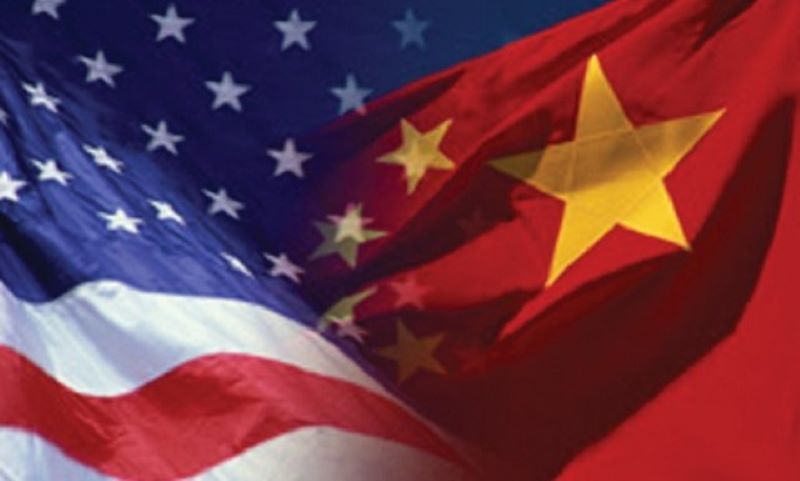
China is positioning itself for negotiations with the U.S. as former President Donald Trump intensifies tariff threats, aiming to avoid another full-blown trade war. Analysts suggest Beijing is leveraging strategic moves, such as a probe into U.S. chip giant Nvidia for alleged antitrust violations and restrictions on rare mineral exports, to gain bargaining power.
China’s approach reflects lessons from the prior trade conflict during Trump’s first term. While its economy now dominates sectors like green energy and electric vehicles, it remains reliant on U.S. imports, including advanced microchips and other high-tech equipment. A new trade war could severely impact China’s economy, already grappling with sluggish domestic demand and global trade uncertainties.
Beijing’s immediate goals include renewing the lapsed U.S.-China Science and Technology Agreement and addressing restrictions on U.S. high-tech exports. Despite advancements in chip-making, China’s technological self-reliance remains limited, creating urgency for negotiations, according to Alicia Garcia-Herrero of Natixis.
China could offer increased purchases of U.S. oil and liquefied natural gas, capitalizing on surplus U.S. production. However, tensions remain high, with U.S. companies expressing growing concerns over market access in China. A recent survey by the American Chamber of Commerce in Shanghai reported the lowest business sentiment among U.S. firms since 1999.
Non-economic factors further complicate talks. Trump’s proposed tariffs also aim to pressure Beijing to curb fentanyl exports, echoing China’s use of trade restrictions over political disputes. These moves risk entrenching trade tensions, analysts warn.
China’s Commerce Ministry signaled openness to discussions with the U.S., while experts believe Beijing’s strategy hinges on balancing economic incentives with political pressures to secure a more stable bilateral trade framework.