Austria’s National Council to Debate Pensions, Tipping, and Controversial Legislation
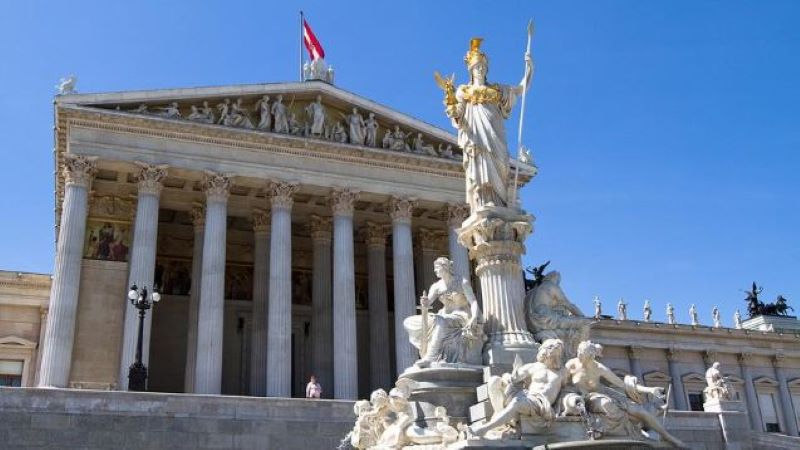
VIENNA — Austria’s National Council convenes October 15–16 for sessions expected to ignite heated discussions on pensions, energy, tipping, and a proposed Sharia law ban, signaling a politically charged week in Vienna.
The proceedings begin with a special hour in which the Green Party selects the discussion topic. Wednesday’s agenda emphasizes economic and energy measures, including continued electricity cost compensation for energy-intensive industries and a temporary increase in investment allowances to stimulate business activity. Coalition parties also aim to introduce a transitional support scheme for biogas plants, a proposal requiring a two-thirds majority to amend the Renewable Expansion Act; meaning approval from either the Greens or the Freedom Party of Austria (FPÖ) is essential.
Thursday promises more contentious debates. Following a question session with Social and Health Minister Korinna Schumann, lawmakers will examine the 2026 pension adjustment, education leave, and the government’s newly announced tipping regulations. Tips will remain tax-free, and capped social security contributions will provide clarity and legal security.
Other planned measures include amendments to the Health Telematics Act to enable Austria’s participation in the European Health Data Space, simplifying cross-border access to medications and patient data. A new residence permit for cross-border workers will allow non-EU citizens residing in neighboring countries to work more easily in Austria.
The pension adjustment for 2026 provides full inflation compensation of 2.7 percent to 70 percent of retirees, while those with pensions above €2,500 will receive a lump sum of €67.50.
If the Immunity Committee concludes its work in time, the plenary may also address extradition requests against three FPÖ lawmakers, including party leader Herbert Kickl. Additionally, an FPÖ motion for an explicit ban on Sharia law will undergo its first reading, adding a layer of political tension to the agenda.
With topics ranging from social policy and economic stimulus to controversial legal reforms, the National Council’s upcoming sessions are expected to spark rigorous debate and shape Austrian policy into 2026.