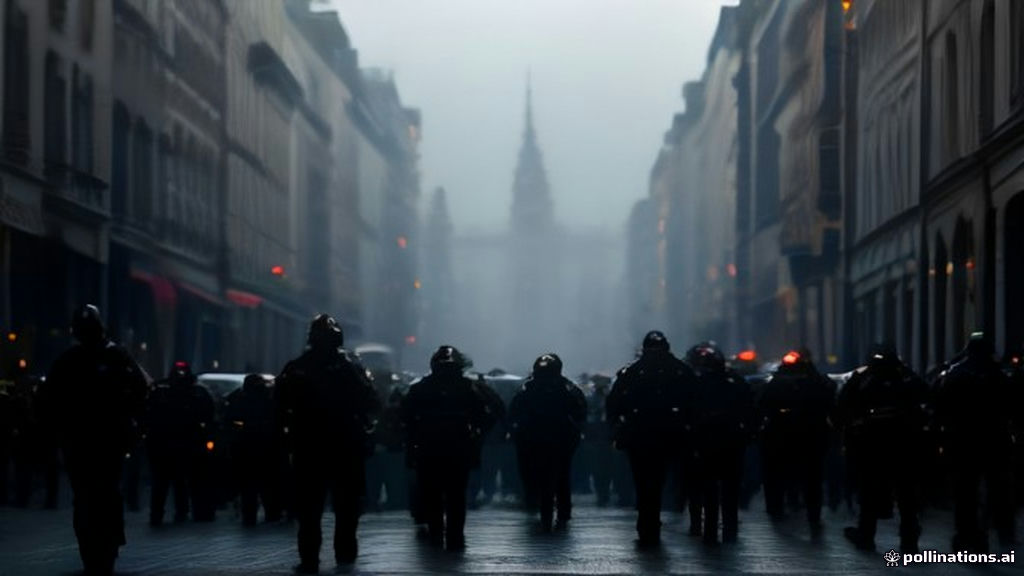
A severe Austria security crisis has gripped the nation following a turbulent series of events that brought citizens to the streets of Vienna while simultaneously exposing clandestine intelligence operations. In the opening hours of the week, public outrage collided with national security concerns, drawing intense scrutiny from international observers. Across Austria, France, and Italy, thousands of demonstrators mobilized to protest ongoing gender-based violence, demanding immediate legislative action and robust institutional protection. Concurrently, security forces in Vienna detained foreign intelligence operatives in a high-stakes counterintelligence sweep, laying bare the complex geopolitical pressures facing Central Europe today.
- Massive public demonstrations erupted across Austria, France, and Italy demanding an immediate end to violence against women.
- Vienna law enforcement arrested several Ukrainian intelligence officers in a dramatic operation linked to intercepted communications.
- Regional authorities have stepped up public safety measures amid rising geopolitical tensions and civil unrest.
- Civil society groups are pressing lawmakers for stronger institutional protections and enhanced investigative transparency.
Ground Realities & Latest Developments
The atmosphere in Vienna remains tense as local law enforcement manages dual pressures: maintaining public order during widespread civic demonstrations and conducting sensitive counter-espionage investigations. The protests, organized by grassroots coalitions, highlighted systemic failures in addressing violence against women. Activists marched through major thoroughfares, carrying banners and chanting slogans that echoed similar movements in neighboring France and Italy.
Meanwhile, the revelation regarding the apprehension of intelligence personnel has sent shockwaves through diplomatic circles. According to local reports, compromised digital communications played a pivotal role in the sudden crackdown, leaving security agencies scrambling to assess the full extent of the security breach.
Historical Context & Policy Background
Austria has historically maintained a strict stance on neutrality and internal security, positioning Vienna as a historic hub for international diplomacy and intelligence exchange. However, recent geopolitical shifts across Europe have strained traditional monitoring frameworks. The convergence of domestic civil rights movements and foreign intelligence operations tests the resilience of the nation’s legal and administrative apparatus.
The recent events in Vienna illustrate the dual challenge facing modern European states: protecting domestic civil liberties while neutralizing covert external threats.
Voices from the Valley: Community & Expert Perspectives
Civil rights advocates argue that public safety encompasses both physical security on the streets and protection from foreign espionage interference. Local community leaders have voiced deep concern over the strain placed on emergency response units during simultaneous large-scale protests and high-risk security operations.
Data Breakdown & Key Metrics
| Metric Indicator | Recorded Figure / Status |
|---|---|
| Participating Nations (Protests) | 3 (Austria, France, Italy) |
| Vienna Detentions | Multiple intelligence operatives |
| Security Alert Level | Elevated across metropolitan districts |
Strategic Ramifications & The Road Ahead
As state prosecutors evaluate evidence in the intelligence case and lawmakers review public safety demands from protesters, the path forward requires delicate balancing. Government officials are expected to release an updated security protocol later this week to address both civil unrest management and foreign surveillance threats.