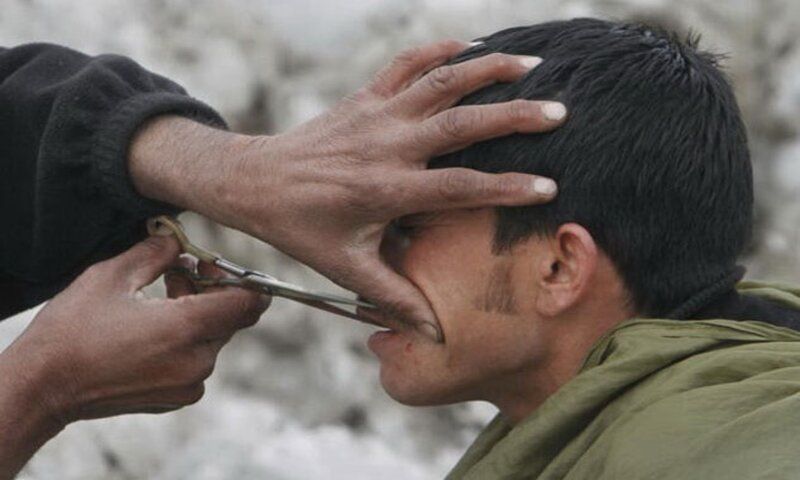
In the heart of Afghanistan, the Taliban’s morality police are tightening their grip on everyday life. A new UN report reveals how men are being arrested for simple things like getting a modern haircut or skipping prayers at the mosque, especially during Ramadan, reported by “Daily Times”. These actions follow a set of strict rules introduced by the Taliban’s Ministry for the Promotion of Virtue and Prevention of Vice.
Since August, these laws have governed daily routines—from how people travel to what they wear, the music they hear, and even how they celebrate. Women are especially affected. Their voices and uncovered faces are now forbidden in public, casting a shadow over their freedom.
The report paints a grim picture: barbers jailed for trimming beards, men punished for not having “approved” hairstyles, and many detained without fair trials. Small businesses—like barber shops, private schools, restaurants, and wedding services—are fading into silence, unable to survive the new rules. Dreams are drying up as jobs disappear and incomes vanish.
The Taliban’s leader, Hibatullah Akhundzada, defends the laws, calling them a way to purify society and guide the next generation away from “bad morals.” Over 3,300 morality officers now patrol cities and villages, watching, warning, and arresting.
As Afghanistan sinks deeper into economic struggle, experts warn that banning women from schools and jobs could cost the country over $1.4 billion a year. The Taliban, however, remains unmoved by international concerns.
In this land of mountains and memories, where hopes once soared like kites, a heavy silence has fallen. Under the eyes of the morality police, even a haircut can become a crime, and freedom feels like a tale from a distant time.