When digital infrastructure faces relentless probing from hostile state actors, ordinary lines of defense quickly dissolve. Against this high-stakes backdrop, the Maryland Guard cyber defense partnership with Estonia has reached a decisive turning point, uniting North American tactical expertise with one of Europe’s most digitally resilient nations. Ground assessments confirm that recent bilateral agreements have translated into concrete operational protocols, fundamentally reshaping how both forces train, respond, and mitigate escalating cyber threats.
- The Maryland Guard cyber defense alliance with Estonia has entered a robust new phase of operational integration.
- Joint tactical exercises focus on blunting sophisticated state-sponsored digital incursions and infrastructure attacks.
- Military officials from both nations emphasize shared intelligence and proactive cyber threat mitigation.
- The ongoing collaboration serves as a vital blueprint for modern transatlantic military-technical partnerships.
Ground Realities & Latest Developments
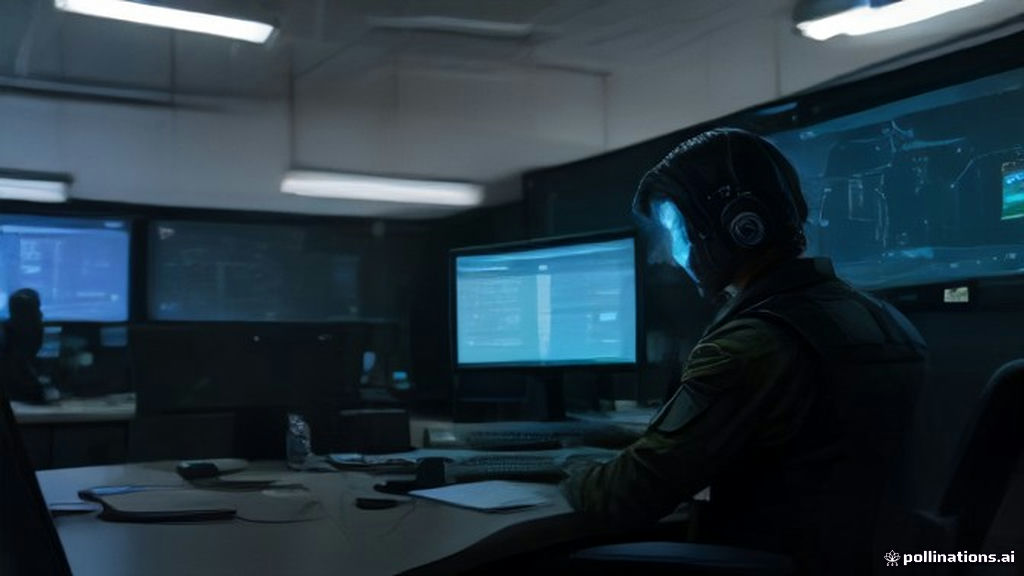
Operating out of advanced command centers, technical specialists from the Maryland National Guard and Estonian cyber command units are currently executing synchronized defense drills. These aren’t routine classroom simulations; they replicate live, multi-vector attacks targeting power grids, financial networks, and secure government communications. Observers on the ground note that the integration of Maryland National Guard personnel with Estonian defense frameworks allows for real-time analysis of emerging malware variants and intrusion tactics.
Historical Context & Policy Background
The relationship between Maryland and Estonia is far from new, tracing its roots back decades through the Department of Defense State Partnership Program. However, the nature of this cooperation has shifted dramatically over the past five years. Traditional infantry-focused exchanges have taken a backseat to sophisticated digital defense operations. Estonia, having weathered massive state-backed cyber assaults in the past, brings invaluable institutional resilience to the alliance, while Maryland contributes cutting-edge technological research and vast institutional resources.
The synergy between Maryland’s tactical units and Estonia’s front-line cyber defenders establishes an unbreakable shield against modern digital aggression.
Voices from the Valley: Community & Expert Perspectives
Military analysts tracking the partnership highlight the profound operational advantages of cross-border technical interoperability. According to senior defense strategists, sharing threat signatures instantaneously across continents reduces response times from hours to mere seconds. Field commanders report that joint training environments expose personnel to hostile methods rarely encountered in standard domestic training pipelines.
Data Breakdown & Key Metrics
| Metric Category | Operational Focus | Impact Level |
|---|---|---|
| Joint Drills | Live-fire cyber defense | High |
| Threat Intelligence | Real-time malware analysis | Critical |
| Infrastructure Protection | Grid & Communications Security | Maximum |
Strategic Ramifications & The Road Ahead
As state-sponsored hacking groups grow bolder, bilateral alliances like the one forged between Maryland and Estonia act as indispensable deterrents. By harmonizing defensive strategies, both entities signal to potential adversaries that any digital intrusion will meet a unified, multi-layered response. Future expansions of the program are expected to incorporate artificial intelligence-driven threat detection systems and wider academic exchanges.
Frequently Asked Questions (FAQ)
What is the main goal of the Maryland Guard cyber defense partnership with Estonia?
The primary objective is to enhance joint operational readiness, share real-time threat intelligence, and strengthen the protection of critical infrastructure against state-sponsored cyber attacks.
How does the State Partnership Program facilitate this collaboration?
The State Partnership Program connects US state National Guards with partner nations, fostering long-term military, economic, and cultural cooperation through continuous training and exchanges.
What technologies are currently being prioritized in joint exercises?
Joint exercises primarily focus on automated malware analysis, resilient communication networks, and artificial intelligence applications for rapid threat neutralization.
Editorial Note: This ground report was independently verified through official defense announcements and military communications channels.