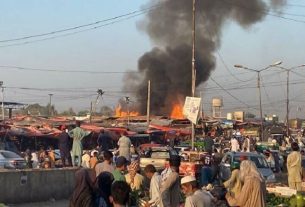
KABUL/ISLAMABAD — Tensions flared anew between Afghanistan and Pakistan on Friday as the Taliban blamed Pakistan for explosions in Kabul and the eastern province of Paktika, underscoring fraying ties and shifting allegiances in South Asia, according to Al Jazeera News.
The blasts, which occurred Thursday, coincided with the arrival of Taliban Foreign Minister Amir Khan Muttaqi in India for a six-day visit, the first since the Taliban returned to power in August 2021. The Taliban initially downplayed the Kabul explosion, with spokesman Zabihullah Mujahid assuring the public on X that the incident caused no injuries and was under investigation.
By Friday, however, Afghanistan’s Ministry of Defence publicly implicated Pakistan, without releasing further details. Islamabad, in turn, neither confirmed nor denied the accusations. Army spokesman Ahmad Sharif warned that Afghanistan had become a base of operations for anti-Pakistan groups, adding, “The necessary measures to protect the lives and property of the people of Pakistan will continue to be taken.”
Relations between the two neighbors have been strained for years, as Pakistan accuses the Taliban of sheltering the Pakistan Taliban (TTP), blamed for a surge of attacks within its borders. In 2025 alone, the TTP has reportedly carried out over 600 assaults against security forces, with violence in the first three quarters nearly matching 2024’s annual toll.
Recent escalations in Pakistan have been severe. In September, assaults in Khyber Pakhtunkhwa killed dozens of soldiers. Prime Minister Shehbaz Sharif warned that Pakistan would sever ties if Afghanistan failed to rein in militants. Defence Minister Khwaja Asif echoed the sentiment, lamenting, “Daily funerals of military personnel are being held. We are paying the price of 60 years of hospitality to 6 million Afghan refugees with our blood.”
Analysts caution that the Kabul blasts could deepen mistrust. Tameem Bahiss, a security expert in Kabul, noted that any formal acknowledgment of Pakistani strikes in the capital could inflame tensions and complicate cooperation against the TTP. Ihsanullah Tipu Mehsud, based in Islamabad, suggested the attacks may have been a warning targeting high-value TTP figures.
The explosions risk fueling a vicious cycle. Bahiss warned that cross border strikes could provoke sympathy for the TTP, potentially generating new recruits, funding, and even tacit support within Afghan ranks. If TTP leaders were indeed targeted in Kabul, the group may retaliate with more aggressive attacks in Pakistan, he said.
The incidents highlight the precariousness of regional diplomacy as the Taliban attempt to recalibrate foreign relations, engaging India after decades of hostility, even as Pakistan continues to grapple with militant threats along its porous western frontier.