India has taken strong action against Pakistan following a deadly terror attack in Pahalgam, Jammu & Kashmir, that killed 26 people, including one Nepalese citizen. The attack, claimed by The Resistance Front—linked to the banned Pakistani terror group Lashkar-e-Taiba—is one of the worst in the region since the 2019 Pulwama bombing.
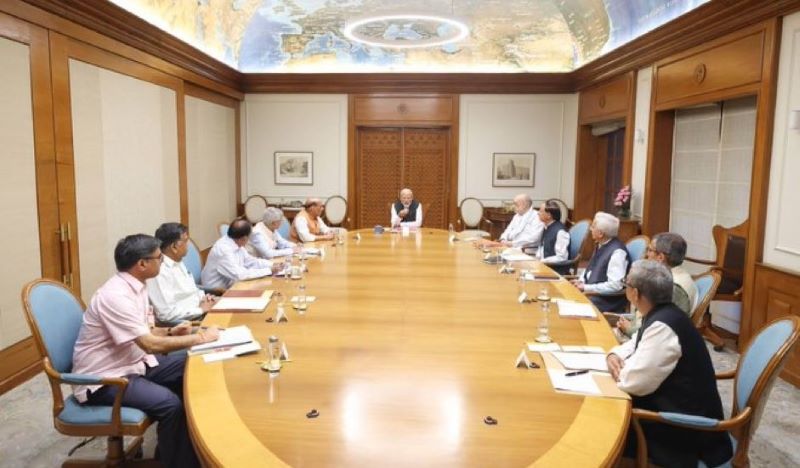
On Wednesday, Prime Minister Narendra Modi chaired a high-level Cabinet Committee on Security meeting in response to the attack. After the meeting, Foreign Secretary Vikram Misri announced several tough measures aimed at pressuring Pakistan to act against terrorism.
One major step is the cancellation of all SAARC Visa Exemption Scheme (SVES) visas for Pakistani nationals. These visas previously allowed select categories like officials, journalists, and athletes to travel without standard visa procedures. Pakistani nationals currently in India under this scheme must leave within 48 hours.
India also announced the immediate suspension of the Indus Waters Treaty, an agreement from 1960 that governs the sharing of the Indus River waters. This move will remain in effect until Pakistan “credibly and irreversibly” stops supporting cross-border terrorism.
Additionally, India is closing the Integrated Check Post at Attari, a key border crossing, and declared all Pakistani military advisors at its High Commission in New Delhi as persona non grata, giving them a week to leave. India will also withdraw its own military advisors from Islamabad.
Both countries agreed to reduce staff in their High Commissions from 55 to 30 by May 1, further straining diplomatic ties.
The terror attack occurred at Baisaran, a scenic meadow known as “mini Switzerland,” where tourists had gone hiking. Security agencies have released sketches of three suspects and are continuing investigations.
The Indian government has received international support and called the response a firm stand against terrorism.