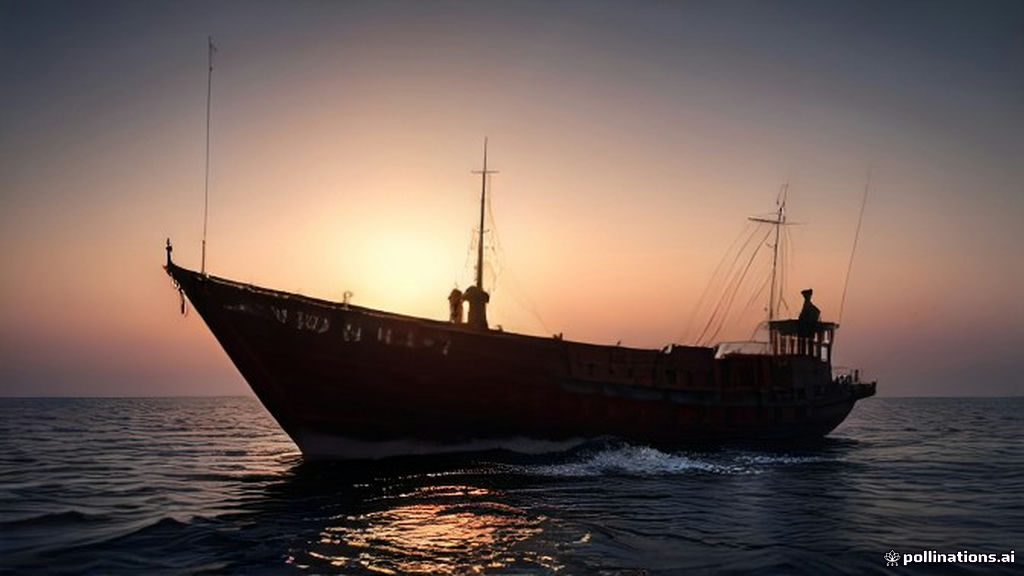
An unexpected military engagement has rattled the vital shipping lanes of the Middle East, as a US drone strike Hormuz operation targeted an unarmed civilian vessel off the coast of Sirik. The strike, which hit a local fishing boat, has immediately raised alarms among regional maritime authorities and international observers monitoring the fragile security architecture of the Persian Gulf.
According to official statements released by the Iranian army, the aerial strike caught the vessel completely off guard during routine operations. Swift action by regional rescue teams averted a larger tragedy, pulling two surviving crew members from the water and providing urgent medical care for their injuries. The exact circumstances leading up to the aerial engagement remain under active scrutiny as international analysts assess the broader implications for civilian vessels navigating these contested waters.
- A US military drone struck an unarmed fishing boat operating in the strategic Strait of Hormuz near Sirik.
- Iranian military authorities confirmed that two crew members sustained injuries during the unexpected aerial incident.
- Local maritime rescue teams swiftly intervened, successfully rescuing the two survivors from the troubled waters.
- The incident escalates immediate security anxieties across critical Persian Gulf shipping and fishing lanes.
Ground Realities & Latest Developments
The waters surrounding the Strait of Hormuz serve as one of the busiest economic bottlenecks on the planet, carrying a massive percentage of global oil shipments and supporting extensive local fishing communities. The confrontation near Sirik highlights the severe hazards faced by ordinary civilian workers operating in proximity to heavily militarized zones. Local port authorities in Hormozgan province reported that the vessel sustained significant structural damage before taking on water.
Maritime traffic monitoring groups noted an immediate spike in alert levels across commercial and fishing vessels following the strike. While Washington has yet to release a comprehensive operational breakdown detailing why the drone targeted the civilian craft, regional commands are facing intense pressure to clarify the protocols governing autonomous and remote aerial systems in shared maritime corridors.
The skies above our fishing grounds are no longer safe for working families. We go out to feed our children, not to become targets in a remote conflict. — Local Fishermen’s Union Representative
Historical Context & Policy Background
The Persian Gulf has long experienced heightened operational friction between Western naval forces and regional military actors. Over the past decade, the rapid expansion of unmanned aerial vehicle (UAV) deployment has transformed surveillance and combat tactics, but it has also multiplied the frequency of misidentification incidents. International maritime law mandates strict safeguards to protect non-combatant civilian vessels, yet overlapping jurisdictions and heightened threat perceptions frequently lead to tragic operational errors.
Incident Metrics at a Glance
| Location | Off the coast of Sirik, Strait of Hormuz |
| Involved Assets | US Military Drone & Civilian Fishing Boat |
| Casualties & Rescue | 2 injured, 2 successfully rescued by local teams |
| Status | Active investigation underway |
Voices from the Valley: Community & Expert Perspectives
Coastal communities near Sirik rely entirely on day-to-day maritime access for economic survival. Fishermen associations have voiced profound anger and panic following the incident, pointing out that routine commercial and artisanal boats carry unmistakable markers distinguishing them from state vessels. Defense analysts suggest that automated threat assessment algorithms utilized by modern drones may struggle to accurately differentiate small wooden craft in choppy sea states, calling for immediate revisions to Rules of Engagement (RoE).
Strategic Ramifications & The Road Ahead
As diplomatic channels process the fallout from the Hormuz drone strike, diplomatic tensions are expected to remain elevated. Regional governments are urging international bodies to establish tighter de-confliction protocols to shield civilian mariners from ongoing tactical operations. Without transparent accountability and updated safety buffers, the risk of collateral damage to independent workers in the Persian Gulf will continue to threaten regional stability.
Frequently Asked Questions (FAQ)
Where did the US drone strike take place?
The strike occurred in the strategic Strait of Hormuz, specifically off the coast of Sirik in southern waters.
Were there any casualties in the boat attack?
Two crew members sustained injuries during the strike, but local rescue teams successfully saved and evacuated both survivors.
What type of vessel was targeted by the drone?
An unarmed local fishing boat utilized by civilian workers was struck during the maritime incident.
Reporting by our international desk from regional ground sources and official military briefings. For ongoing updates on Persian Gulf maritime security, follow our live coverage.