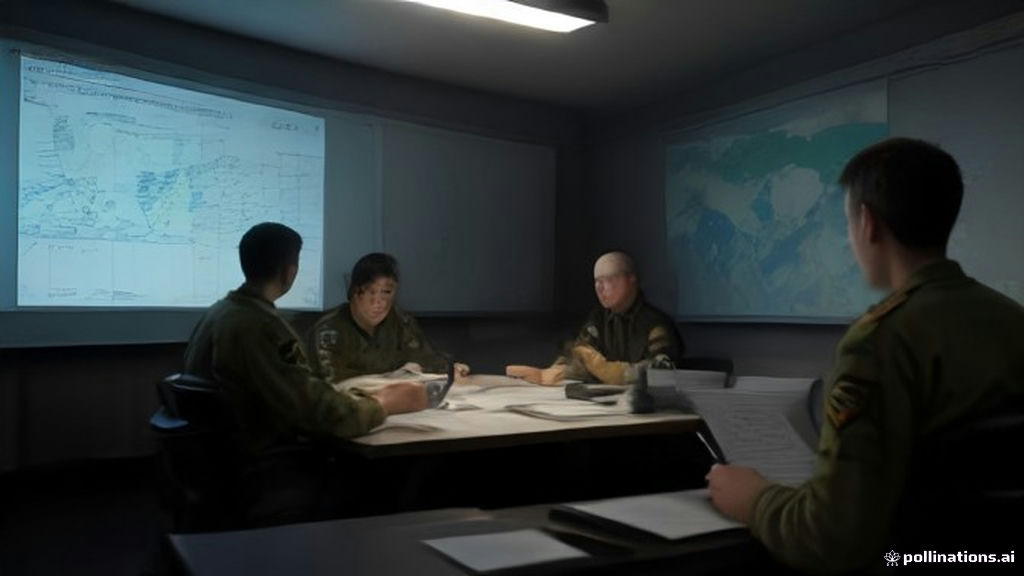
In an assertive move to fortify continental defense, the United Kingdom is actively aligning its strategic posture with European allies to counter the escalating Russian threat. Amid growing concerns over waning allied stamina and shifting geopolitical tides, London has initiated a sweeping overhaul of its defense capabilities. Central to this transformation is a targeted mandate to update and modernize the national register of 100,000 former military personnel by 2030, ensuring a rapid-response capability unlike any seen in recent decades.
- The United Kingdom is accelerating efforts to align its defense strategy with European allies to counter rising Russian aggression.
- A comprehensive modernization program aims to update the registry of 100,000 former military personnel by the year 2030.
- Western fatigue over long-term funding for Ukraine has created strategic vulnerabilities that Moscow is actively attempting to exploit.
- Defense analysts emphasize the urgent need for structural readiness and rapid mobilization frameworks across Western Europe.
Ground Realities & Latest Developments
The strategic shift comes at a critical juncture for European security architecture. As diplomatic channels strain and economic pressures mount, policymakers in London recognize that traditional defense postures are no longer sufficient. The integration of the UK military reserve framework into a broader European contingency plan represents a vital pivot toward collective deterrence. Intelligence assessments indicate that Moscow is closely monitoring Western political landscapes, seeking to capitalize on any signs of hesitation regarding long-term military assistance to eastern flank partners.
By systematically cataloging and assessing the readiness of veterans, the Ministry of Defense aims to bridge the gap between active-duty constraints and total force potential. This initiative is not merely administrative; it is a signal of unwavering commitment to European stability.
Historical Context & Policy Background
For decades following the Cold War, European nations progressively downsized their standing armies, relying heavily on professional core forces and specialized intervention units. However, the paradigm shifted dramatically following renewed regional conflicts. The UK’s current modernization drive echoes historical preparedness measures, adapting them to modern cyber, hybrid, and conventional warfare realities. Updating records for 100,000 former personnel ensures that institutional knowledge and tactical expertise remain accessible in times of crisis.
“The security of the continent depends on our collective ability to adapt, mobilize, and demonstrate absolute resolve in the face of persistent external pressures.”
Voices from the Valley: Community & Expert Perspectives
Defense strategists and veteran advocates have offered mixed yet generally supportive commentary regarding the 2030 roadmap. While the intent to reinforce national security is widely praised, questions remain regarding administrative efficiency and voluntary engagement rates among retired personnel.
Data Breakdown & Key Metrics
| Metric Indicator | Current Status | 2030 Projection |
|---|---|---|
| Target Reserve Registry | Legacy Database | 100,000 Verified Personnel |
| Strategic Alignment | Bilateral Frameworks | Integrated European Defense |
| Readiness Focus | Active Deployments | Rapid Mobilization Framework |
Strategic Ramifications & The Road Ahead
The implications of this policy extend far beyond British borders. As debates continue over sustained foreign aid and resource allocation, the UK’s proactive stance serves as a stabilizing force within NATO. By demonstrating tangible preparedness, London aims to deter aggressive posturing and reinforce the credibility of Western alliances.
Frequently Asked Questions (FAQ)
What is the primary goal of updating the UK military reserve registry?
The objective is to modernize the database of 100,000 former military personnel by 2030 to enhance rapid mobilization and align defense capabilities with European allies against growing geopolitical threats.
How does Western fatigue impact current security dynamics?
Waning political and financial enthusiasm for prolonged foreign aid creates strategic vulnerabilities that adversaries like Russia attempt to exploit, prompting Western nations to strengthen internal readiness.
When is the registry overhaul scheduled for completion?
The comprehensive modernization and verification process for the 100,000 former personnel is targeted for completion by the year 2030.
Editorial Note: This report was compiled following verified defense briefings and strategic analyses regarding European security policy.