According to an Arab News report, Qatar has urged intensified international efforts to place all of Israel’s nuclear facilities under the supervision of the International Atomic Energy Agency (IAEA). The Qatari Foreign Ministry issued a statement calling on Israel to subject its nuclear installations to IAEA safeguards and to join the Treaty on the Non-Proliferation of Nuclear Weapons (NPT) as a non-nuclear state.
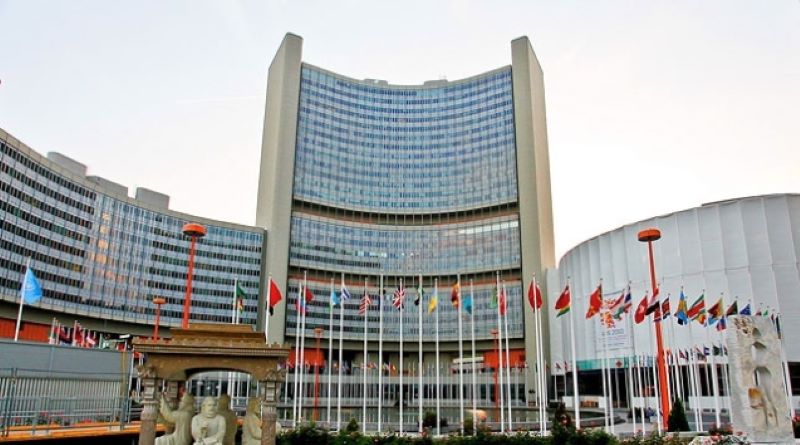
This appeal was made during a meeting of IAEA governors in Vienna, attended by Jassim Yacoub Al-Hammadi, Qatar’s ambassador and permanent representative to the United Nations in Vienna. The session addressed the situation in the occupied Palestinian territories and Israel’s nuclear capabilities.
Ambassador Al-Hammadi highlighted that all Middle Eastern countries, except Israel, are parties to the NPT and have effective safeguard agreements with the IAEA. He also noted that previous resolutions have explicitly urged Israel to join the NPT as a non-nuclear state.
Israel has not publicly acknowledged possessing nuclear weapons and has not signed the NPT.
This longstanding ambiguity has been a point of contention in the region, with various nations calling for greater transparency regarding Israel’s nuclear capabilities.
In addition to nuclear oversight, Ambassador Al-Hammadi criticized Israel’s ongoing policies in the Palestinian territories. He condemned actions such as calls for the forced displacement of Palestinians from the Gaza Strip, intensified military operations in the West Bank, obstruction of humanitarian aid to Gaza, and continued restrictions on the operations of the United Nations Relief and Works Agency for Palestine Refugees in the Near East (UNRWA).
Qatar has been actively involved as a mediator in ceasefire talks between Israel and Hamas, aiming to alleviate tensions and address humanitarian concerns in the region.
The international community has had varied responses to Qatar’s call for increased oversight of Israel’s nuclear facilities. Some nations support the initiative, advocating for a nuclear-free Middle East and emphasizing the importance of transparency and accountability. Others caution that such measures could further complicate the already delicate geopolitical landscape of the region.
The issue of nuclear non-proliferation remains a critical topic in international diplomacy, with ongoing debates about how best to achieve regional and global security. Qatar’s recent statements have reignited discussions on the need for comprehensive strategies to address nuclear capabilities and ensure compliance with international treaties.
As the situation develops, the roles of international organizations like the IAEA and diplomatic efforts by concerned nations will be pivotal in determining the future framework for nuclear oversight in the Middle East.