

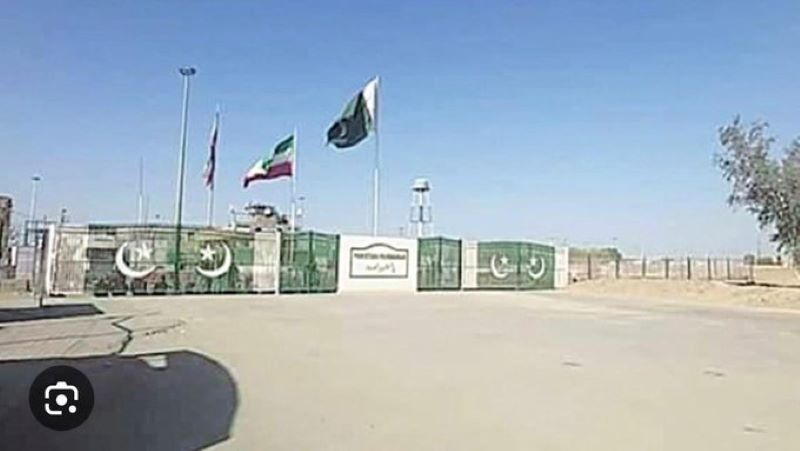
GWADAR/QUETTA: Pakistan has suspended official trade with Iran through the Gabd-Rimdan and Taftan border crossings, stranding hundreds of freight vehicles and raising concerns over fuel supplies and informal trade, according to Dawn News.
The Ministry of Commerce issued a memorandum on Friday, seen by Dawn, withdrawing an earlier order with immediate effect. Officials in Balochistan described the suspension as temporary, saying it was intended to strengthen security and curb smuggling.
Shahid Rind, adviser to the Balochistan chief minister, said the closure aimed to “address security concerns, prevent smuggling, and make the border system more effective”. He dismissed social media rumours of a permanent shutdown and said officials from both countries were working to resolve administrative issues. Iran’s foreign ministry spokesperson, Esmail Baqaei, also called the closure temporary, attributing it to “technical issues”.
The consequences are already visible. Trucks carrying liquefied petroleum gas, rice, fresh fruit and other essential goods have reportedly been stranded on both sides of the frontier. Gabd-Rimdan has become a vital energy route, with more than 4,000 tonnes of LPG reportedly imported daily. Pakistani rice exports to Iran have also risen sharply in recent months.
Trade bodies warn that the suspension could deepen LPG shortages in Karachi and elsewhere, push up prices and cause heavy losses to traders and the national exchequer. The Quetta Chamber of Commerce and Industry has advised businesses to halt new import and export orders until further notice.
Critics say the shutdown may prove counterproductive. When legal routes close, goods and fuel often shift to unregulated crossings, where oversight is weaker and smuggling networks more active. Reliable regional sources said an estimated 24 to 30 per cent of Pakistan’s oil imports already arrive through irregular channels from Iran, with payments allegedly settled through smuggled rice and other commodities. These claims could not be independently verified, and allegations of involvement by powerful Pakistani networks remain sensitive and contested.
The disruption comes despite months of efforts by Islamabad and Tehran to expand formal trade. Since March, the two countries have eased customs procedures, designated Taftan as a customs station and opened new transit routes. In August, an Iranian delegation led by Trade and Industry Minister Mohammad Atabak met Prime Minister Shehbaz Sharif, with both sides agreeing to keep crossings open around the clock.
Yet insecurity in Balochistan continues to undermine those plans. Attacks, arson and vehicle burnings have disrupted the Taftan route, while poor infrastructure has left other crossings barely functional. The closure now threatens commerce, energy supplies and the fragile balance between regulation and survival.





