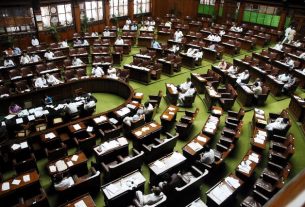
In an unexpected development shaking the political establishment, Netanyahu offers to step down and allow his political rival, Gadi Eisenkot, to assume the prime ministerial role first under a newly proposed rotation arrangement. This dramatic overture arrives at a critical juncture for the administration, altering the calculus of domestic governance, coalition stability, and ongoing legislative negotiations.
- Prime Minister Benjamin Netanyahu proposes stepping down in a rotational power-sharing agreement.
- Rival politician Gadi Eisenkot has been offered the prime ministerial role first in the proposed sequence.
- The surprising political maneuver arrives amidst intensive security challenges and shifting legislative dynamics.
- Political analysts are closely monitoring how coalition partners and opposition factions will respond to the offer.
Ground Realities & Latest Developments
The announcement sent immediate ripples through political circles in Jerusalem. Observers note that leadership structures have faced mounting pressures from various domestic fronts. By suggesting a phased transfer of executive authority, the proposal aims to bridge deep-seated parliamentary divides. However, translating this concept into a functional governing coalition remains an uphill battle, as party loyalties and ideological differences continue to pose significant hurdles.
Historical Context & Policy Background
Rotational agreements are not entirely unprecedented in the country’s legislative history, having been tested during prior periods of parliamentary deadlock. Yet, extending such an offer to a specific rival like Eisenkot marks a profound departure from traditional alliance-building strategies. Observers point out that prolonged legislative friction often forces leaders to rethink established hierarchies to maintain governmental continuity.
“This proposal shifts the entire baseline of political negotiation. Whether it materializes into stable governance depends entirely on party discipline and mutual trust.”
Voices from the Valley: Community & Expert Perspectives
Political analysts and civic leaders have expressed mixed reactions to the unfolding events. While some view the overture as a pragmatic step toward national unity during a turbulent period, others remain skeptical about the longevity of such an arrangement. Grassroots feedback indicates voter fatigue with endless political maneuvering, with citizens prioritizing economic stability and security above all else.
Data Breakdown & Key Metrics
• Proposed Model: Sequential Rotation
• Initial Designated Leader: Gadi Eisenkot
• Current Parliamentary Status: Under Review by Factions
Strategic Ramifications & The Road Ahead
As discussions continue behind closed doors, the broader implications for regional policy and domestic stability are profound. Coalition members are currently holding emergency caucuses to determine their stance on the rotation framework. The coming days will reveal whether this bold political gambit can forge a working consensus or simply deepen existing factional rifts.
Frequently Asked Questions (FAQ)
Who is designated to take power first in the proposed deal?
Under the proposed arrangement, rival politician Gadi Eisenkot has been offered the prime ministerial seat first in the rotation sequence.
Why did Netanyahu propose stepping down now?
The proposal comes amid intense domestic and security pressures, aiming to address parliamentary deadlock and reshape governance structures.
Has a final agreement been reached?
No final agreement has been finalized yet; coalition partners and opposition factions are actively reviewing the terms of the offer.
Reporting by our international desk. Verified through official statements and regional news briefings.