In an era defined by rapid technological disruption and evolving economic demands, educational institutions face unprecedented pressure to adapt. Addressing this urgent transformation head-on, LPU strengthens specialised programmes to prepare students for emerging careers and demanding industry requirements. Recent developments on campus indicate a strategic pivot toward future-proof curricula, blending traditional academic rigour with agile, practical training modules designed to meet corporate expectations from day one.
- Lovely Professional University introduces upgraded curriculum frameworks tailored for modern industries.
- Strategic academic shifts focus heavily on bridging the persistent gap between academia and corporate expectations.
- Specialised programmes now integrate intensive practical learning modules and interdisciplinary studies.
- Leadership highlights a dedicated commitment to student employability and dynamic career readiness.
Ground Realities & Latest Developments
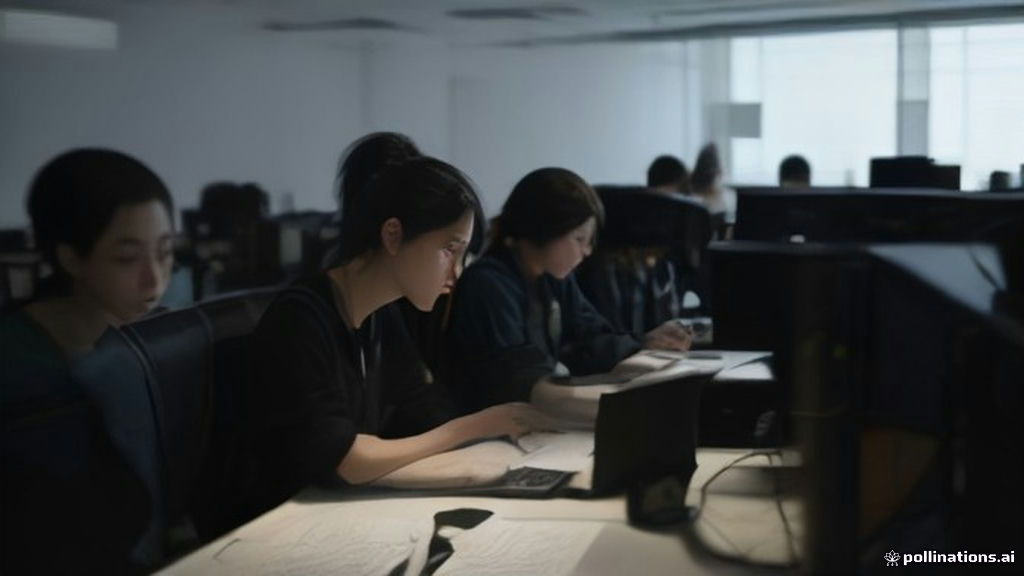
Walking through the sprawling campus reveals a palpable shift in pedagogical approach. Classrooms are no longer restricted to theoretical lectures; instead, they function as dynamic incubator spaces where students tackle real-world problem statements. The university administration has rolled out targeted enhancements across multiple professional faculties, ranging from advanced computing and artificial intelligence to specialised management and niche engineering verticals.
Faculty members report that course outlines undergo quarterly reviews, drawing direct feedback from industry leaders and hiring managers. This agile adjustment mechanism ensures that syllabi remain relevant in sectors experiencing exponential growth, minimizing the traditional lag between textbook knowledge and marketplace reality.
Historical Context & Policy Background
For years, critics of India’s higher education sector have pointed out a persistent mismatch between graduate skill sets and corporate requirements. Educational policymakers have repeatedly stressed the importance of outcome-based learning and vocational integration. In alignment with broader national educational reforms, institutions like Lovely Professional University have taken proactive steps to overhaul legacy frameworks. By moving away from rote memorisation and embracing project-based evaluation, these curriculum updates reflect a mature response to long-standing systemic challenges.
Voices from the Valley: Community & Expert Perspectives
Academic leaders and student bodies alike have expressed cautious optimism regarding these structural reforms. Industry veterans participating in recent campus advisory boards note that modern employers seek candidates who demonstrate critical thinking, adaptability, and cross-functional competence rather than mere academic scores.
The modern job market does not reward degrees alone; it demands proven capability, resilience, and immediate problem-solving skills. Our goal is to ensure every student steps out as an industry asset.
Students currently enrolled in these upgraded tracks share similar sentiments. Many highlight the increased availability of practical internships, live industry projects, and mentorship programmes that provide clear visibility into corporate expectations long before graduation.
Data Breakdown & Key Metrics
| Focus Area | Previous Framework | Upgraded Framework |
|---|---|---|
| Curriculum Review | Every 3 to 5 years | Continuous quarterly updates |
| Practical Training | Standard final-year internship | Embedded project modules from Year 1 |
| Skill Integration | Syllabus-bound theory | Cross-disciplinary certifications |
Strategic Ramifications & The Road Ahead
The broader implications of these curriculum enhancements extend far beyond individual campus boundaries. As universities across the country monitor these transitions, success at scale could establish a new benchmark for private higher education in India. By proactively aligning academic output with upcoming market requirements, institutions can drastically improve graduate employability indices while simultaneously attracting top-tier global talent.
Frequently Asked Questions (FAQ)
What specific changes have been made to the curriculum?
The university has introduced modular coursework, frequent syllabus updates based on corporate feedback, and mandatory practical project phases integrated directly into core subjects.
How do these updates benefit current students?
Students gain exposure to real-world corporate challenges, enhanced internship opportunities, and skill sets that match current employer demands, thereby boosting overall employability.
Are these changes applicable to all degree tracks?
While specialised professional programmes receive immediate enhancements, cross-disciplinary modules are gradually being rolled out across multiple faculties to ensure holistic development.
Reporting by our Education Desk, grounded in latest institutional dispatches and expert interviews.