Israel’s new parliament was sworn in on Tuesday with no government in place, leaving the country caught in a familiar and uneasy political limbo. The deadlocked general election of October 27 took away Prime Minister Benjamin Netanyahu’s parliamentary majority, yet it did not hand his opponents a clear route to power, reported by Dawn News.
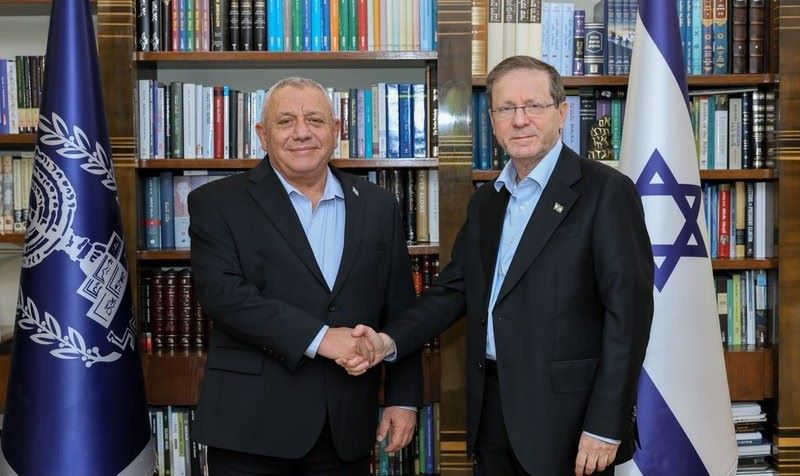
Lawmakers elected last month took their oaths as former military chief Gadi Eisenkot began the difficult task of building a coalition. President Isaac Herzog gave him the mandate on Sunday, but neither Eisenkot’s bloc nor Netanyahu’s alliance commands the 61 seats needed to govern in the 120 member Knesset.
Netanyahu’s right wing Likud led alliance, joined by far right and ultra Orthodox parties, holds 53 seats. Eisenkot’s centre-right Yashar party and its partners have 48, while Arab-led parties hold the remaining 19 seats and could prove decisive in any attempt to form a government.
Eisenkot has until December 6 to assemble a coalition, with the possibility of a two week extension. If he fails, Netanyahu may be given another chance; if both men fail, Israel could be forced into another election.
President Herzog used the swearing in ceremony to urge compromise. “You must do everything to avoid a repeat election,” he told lawmakers, calling on rivals to reach across political divides and act with generosity.
Netanyahu, who remains caretaker prime minister until a successor forms a government, called for a unity administration. He warned that Iran was seeking to revive its nuclear programme and said only a broad coalition could confront Israel’s growing security challenges.
Eisenkot’s allies wasted little time setting an agenda. His party proposed an inquiry into the failures that allowed Hamas’s October 7, 2023 attack, a move supported by Arab parties but long resisted by Netanyahu. It also moved to repeal parts of Netanyahu’s divisive judicial overhaul, which sparked some of Israel’s largest protests.
The opposition also intends to nominate Matan Kahana, another former senior military figure, as Knesset speaker, while Avigdor Lieberman is expected to chair the foreign affairs and defence committee.
Yet Eisenkot’s path remains fragile. Arab parties could support a minority government, but Lieberman has rejected relying on Arab lawmakers, while ultra Orthodox parties have so far refused to join an Eisenkot led administration.
As the new Knesset opens, Israel faces weeks of tense bargaining, possible delays and the real risk of another national vote. __Photo courtesy X (Gadi Eisenkot)