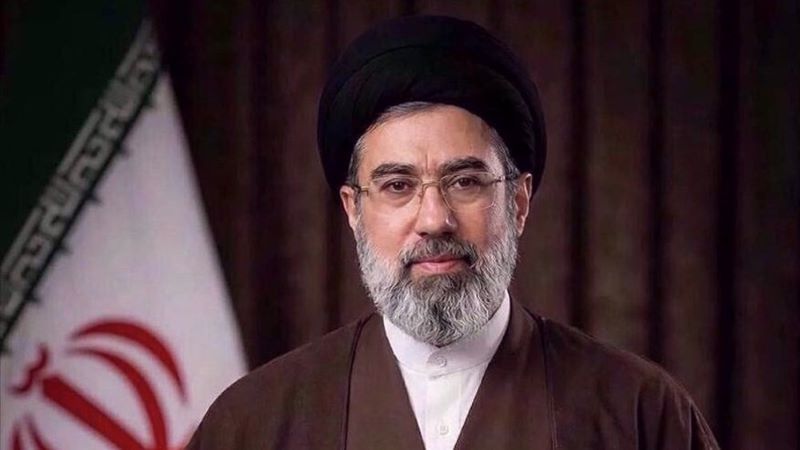
Iran’s Supreme Leader, Mojtaba Khamenei, has ordered the country’s armed forces to respond immediately and without “geographic limits” to any new threat from its enemies. The warning, posted on his official Telegram account, came as tensions between Tehran, Washington and Israel sharply intensified around the Strait of Hormuz, reported by The Express Tribune.
Khamenei said Iran alone would decide when and under what conditions renewed military or “terrorist” attacks would end. He also ordered military planners to update Iran’s target list so that American and Israeli “physical and non-physical” assets could be reached by Iranian forces.
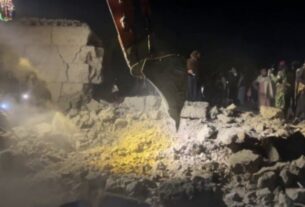
The statement followed reports that US forces had attacked two fishing boats near Qeshm Island. Iranian state broadcaster IRIB, quoting a provincial official, said two fishermen were missing and one was wounded. Washington has not confirmed the report.
Iranian army spokesperson Brigadier General Mohammad Akraminia warned that any new American military action, carried out alongside Israel, would spread conflict far beyond its current boundaries. “The flames of war will undoubtedly engulf a much wider geographical area,” he wrote on X, adding that the end of any renewed conflict “will not be in Trump’s hands.”
Yet even as Iran issued threats, diplomacy continued. An Iranian delegation, including a deputy foreign minister, arrived in Doha for indirect talks with the United States through Qatari mediators. According to Al-Araby Al-Jadeed, recent discussions in Tehran produced a breakthrough and opened the way for further negotiations in Qatar.
The talks remain difficult. Washington is demanding nuclear concessions before returning to broader negotiations, while Tehran insists that the US first lift its naval blockade, release frozen Iranian funds and permit oil sales. Qatari mediators are reportedly urging Iran to allow UN inspectors into damaged nuclear sites in exchange for limited sanctions relief.
In Washington, Axios reported that President Donald Trump might be more willing to approve a major strike against Iran if Republicans perform poorly in next week’s midterm elections. A US official said Trump could “do something bold” if he felt humiliated politically. The White House rejected that claim, insisting election results would not influence his Iran policy.
The dispute is also dividing Trump’s administration. Defence Secretary Pete Hegseth and Secretary of State Marco Rubio reportedly doubt a deal is possible and favour weakening Iran’s leadership. Vice President JD Vance and envoys Steve Witkoff and Jared Kushner support restarting talks.
At sea, the danger is growing. The UK Maritime Trade Operations agency said a crude oil tanker was struck by an unidentified projectile while leaving the Strait of Hormuz. Iran’s Revolutionary Guard Navy separately said a fourth tanker had hit a mine and caught fire after using what it called an unauthorised southern route. The tanker was reportedly carrying more than two million barrels of crude oil.
Oman said it evacuated 25 crew members from a burning commercial vessel and airlifted an injured sailor from an Indian boat to hospital in Muscat.
Iranian Foreign Minister Abbas Araghchi, responding to German Chancellor Friedrich Merz, declared that “red lines are a thing of the past.” He dismissed Europe’s estimated €100bn cost from the conflict as “nothing” compared with the blow Iran’s armed forces would deliver to those who harm its people.
For now, warships, tankers and diplomats are moving through the same narrow waterway. One wrong move could turn a regional crisis into a wider war.