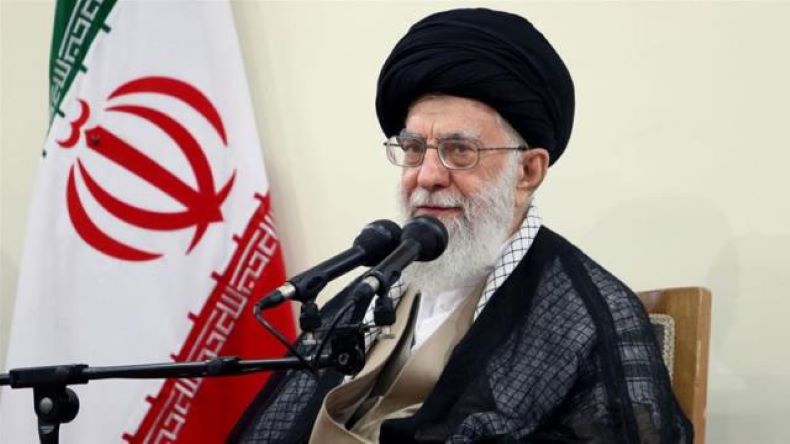
Iran’s Foreign Minister Abbas Araghchi said on Friday that Iranians will “never forget or forgive” the killing of Supreme Leader Ayatollah Ali Khamenei, describing it as a defining moment in the country’s recent history, according to IRNA.
In a message posted on X, Araghchi linked the event to deep-rooted religious symbolism. He referred to Imam Hussein, a central figure in Shia Islam known as the “Master of Martyrs” for his sacrifice at the Battle of Karbala. Araghchi said Khamenei should now be remembered in a similar way, calling him the “Master of Martyrs of the Islamic Revolution of Iran.”
The remarks come months after a major escalation in tensions between Iran, the United States, and Israel. According to Iranian officials, the conflict began on February 28, 2026, when US and Israeli forces launched what Tehran described as an unprovoked attack.
Iran says the operation included the assassination of Khamenei, along with several senior military commanders and civilians. The strike marked a dramatic turning point, triggering a wider conflict that has reshaped the region’s political and military landscape.
Araghchi’s statement reflects the emotional and political weight the event carries inside Iran. By framing Khamenei’s death in religious terms, the government appears to be reinforcing a narrative of sacrifice and resistance.
The United States and Israel have not publicly confirmed the details as described by Iranian officials. However, the fallout from the February attack continues to influence tensions across the Middle East, with fears that the conflict could deepen further.
For many Iranians, the memory of the attack remains raw seen not only as a political loss, but as a moment of national mourning.