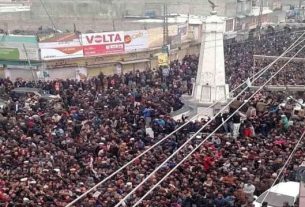
GILGIT-BALTISTAN — The Sost Dry Port in Gilgit-Baltistan has become the epicenter of a prolonged protest, as traders continue their blockade of the Karakoram Highway, demanding the cessation of federal taxes they deem illegal due to the region’s disputed constitutional status. This protest, now in its 24th consecutive day, has halted all trade and travel between Pakistan and China, leaving thousands stranded, including Chinese nationals and foreign tourists.
Background and Grievances
The traders’ primary grievance centers on the imposition of income tax, sales tax, and federal excise duty at the Sost Silk Dry Port. Despite a court ruling in July 2024 that exempts them from certain federal taxes, customs officials continue to enforce these charges, leading to significant financial losses for the traders and severely impacting their businesses.
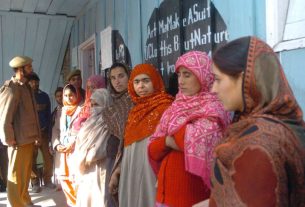
Protest leaders allege that authorities have resorted to unlawful detentions as a means to disrupt and undermine their ongoing movement.
Government Response and Escalation
In response to the escalating protests, the Federal Board of Revenue (FBR) formed a seven-member committee tasked with addressing the tax grievances of the people of Gilgit-Baltistan. The committee’s mandate includes evaluating the imposition of taxes on goods imported via Khunjerab Pass and recommending a transparent implementation mechanism for any exemptions.
However, the government’s efforts have been met with skepticism, as the protesters demand immediate action and the release of over 250 stranded consignments. The Governor of Gilgit-Baltistan, Syed Mehdi Shah, appealed to the President for immediate action to halt illegal taxation, but there has been no response from the Presidency as of yet.
Constitutional Ambiguity and Political Implications
Gilgit-Baltistan’s constitutional status remains a contentious issue. The region is not formally integrated into Pakistan’s constitutional framework and does not participate in the country’s political affairs. This ambiguity has led to calls for greater autonomy and a reevaluation of the region’s relationship with the federal government.
International Attention and Future Prospects
The ongoing protests have garnered international attention, with various media outlets reporting on the situation. The protests have highlighted the economic challenges faced by the people of Gilgit-Baltistan and their demand for fair treatment under the law.
As the situation continues to unfold, the traders remain steadfast in their demands, vowing to continue their protest until their grievances are addressed. The outcome of these protests could have significant implications for the future of Gilgit-Baltistan and its relationship with the federal government.
Key Points
Protest Duration: 24 consecutive days
Location: Sost Dry Port, Gilgit-Baltistan
Primary Demand: Cessation of federal taxes deemed illegal
Government Response: Formation of a seven-member committee by FBR
Constitutional Status: Gilgit-Baltistan’s ambiguous relationship with Pakistan
International Attention
Media coverage highlighting economic challenges and demands for fair treatment.
The ongoing protests in Gilgit-Baltistan serve as a reminder of the complex political and economic issues facing the region. As the situation develops, it remains to be seen how the federal government will address the concerns of the protesters and what steps will be taken to resolve the ongoing dispute.