PARIS — In response to escalating drug-related violence, several French cities have introduced night-time curfews for minors in an effort to curb unrest and shield children from being pulled into the criminal underworld, reported by BBC News.
The southern city of Nîmes became the latest to enforce a curfew, banning those under 16 from being outdoors between 9 p.m. and 6 a.m. Mayor Jean-Paul Fournier called the situation “untenable,” blaming drug traffickers for spreading “fear and terror” across neighborhoods. Additional police reinforcements are also being deployed.
“Minors, even as young as 12 or 13, are being exploited by traffickers,” said deputy mayor Richard Schieven. “We must protect them — and keep others from being exposed to violence.”
Nîmes has seen multiple shootings in recent weeks, including one in broad daylight. The body of a 19-year-old, partially burned, was discovered just outside the city last week — a grim sign of growing brutality.
Other cities are tightening restrictions as well. Béziers, which first imposed a curfew for children under 13 last year, expanded it to those under 15 in high-risk areas this spring. But violence persists. Over the weekend, masked youths ambushed police with fireworks.
Limoges, too, has implemented curfews during summer holidays. Yet Mayor Émile Roger Lombertie admitted the measures have fallen short. “The curfew was useless,” he said, citing a weekend disturbance involving 100 youths. “We need more police, not just rules.”
Once centered in Marseille, France’s drug violence is spreading, officials warn. The interior ministry reports 110 deaths and over 300 injuries tied to narcotics this year alone.
In response, the government has rolled out sweeping reforms — including new high-security prisons for drug lords, expanded powers for investigators, and protections for informants. On Tuesday, Interior Minister Gérald Darmanin confirmed the transfer of 17 of France’s most dangerous traffickers to a maximum-security facility.
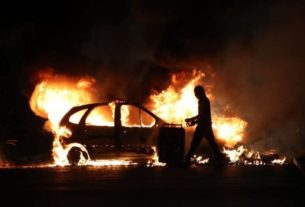
Spring’s wave of arson and prison attacks is widely believed to be retaliation by criminal gangs, signaling a volatile new phase in France’s war on drugs.