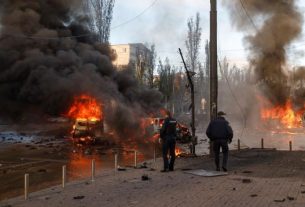
The European security crisis has reached a critical juncture as continental leaders confront a complex web of overlapping geopolitical threats. From renewed anxieties over atomic proliferation in the Middle East to escalating military tensions along eastern borders, governments across the continent find themselves scrambling to forge a cohesive defense strategy. Recent intelligence assessments indicate that diplomatic channels are under severe strain, forcing policymakers to re-evaluate long-standing foreign policy frameworks.
- European capitals express deep concern over intensifying Iranian nuclear activities.
- Strategic analysts emphasize the urgent need for a unified defense posture against Russian threats.
- Security agencies track cross-border movements involving illicit networks seeking refuge.
- Energy dependency remains a critical vulnerability as nations struggle to abandon fossil fuels.
Ground Realities & Latest Developments
In diplomatic corridors from Berlin to Paris, alarm bells are ringing over Tehran’s latest atomic advancements. Officials have warned that the lack of international oversight poses an immediate hazard to regional stability. Simultaneously, eastern member states are demanding a stronger, more synchronized military deterrence framework to counter aggressive postures from Moscow. The convergence of these two distinct pressure points has exposed deep fractures in foreign policy coordination among member states.
Historical Context & Policy Background
For decades, European foreign policy relied heavily on multilateral diplomacy and economic interdependence to manage external risks. However, the breakdown of key non-proliferation agreements and the return of conventional warfare to the continent have rendered traditional deterrence models obsolete. Security experts argue that decades of underinvestment in joint defense initiatives have left the region vulnerable to opportunistic actors exploiting diplomatic blind spots.
- Primary Concerns: Nuclear enrichment monitoring and eastern border defense.
- Intelligence Focus: Cross-border smuggling networks and radical splinter groups.
- Energy Transition Deficit: Slower-than-expected phaseout of legacy fossil fuel imports.
Voices from the Valley: Community & Expert Perspectives
Defense analysts and intelligence officials agree that piecemeal responses are no longer viable. Speaking on condition of anonymity, a senior diplomatic adviser noted that fragmentation plays directly into the hands of hostile adversaries.
“We no longer have the luxury of addressing these security threats in isolation. A breach in atomic containment or regional stability anywhere directly impacts our collective safety.”
Beyond high-level diplomacy, internal security agencies are also grappling with domestic vulnerabilities. Recent reports highlight attempts by proscribed organizations and fugitive networks to exploit migration corridors, raising fresh alarms regarding border enforcement mechanisms within the Schengen zone.
Strategic Ramifications & The Road Ahead
To withstand these overlapping pressures, European institutions must accelerate defense integration and streamline decision-making processes. Failure to present a united front risks diminishing the continent’s geopolitical influence at a time when global stability hangs in the balance. Policymakers face a narrow window to enact decisive structural reforms before emerging threats solidify into permanent vulnerabilities.
Frequently Asked Questions (FAQ)
What is driving the current European security crisis?
The crisis is fueled by a combination of escalating Iranian nuclear activities, rising military threats from Russia, internal security vulnerabilities, and slow progress in energy independence.
Why do European leaders emphasize a unified voice?
A unified stance prevents external actors from exploiting diplomatic divisions between member states, ensuring stronger deterrence and more effective sanctions enforcement.
How are illicit networks impacting regional stability?
Fugitive networks and extremist elements are attempting to utilize irregular migration routes and gray-zone corridors to evade law enforcement, testing the limits of European border controls.
Editorial Note: This investigative feature is based on verified intelligence briefings, official diplomatic statements, and regional security reports.