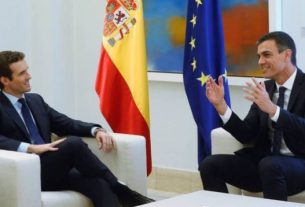
European Union leaders are gathering for a tense and high-stakes summit, with deep divisions threatening to overshadow hopes for unity, according to Euro News. At the center of the storm is Hungarian Prime Minister Viktor Orbán, whose decision to block a €90 billion loan for Ukraine has sparked frustration across the bloc.
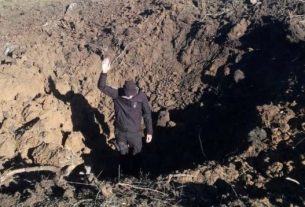
The loan, intended to support Ukraine in its ongoing war, had already been agreed upon in principle last December. Leaders believed they had found a workaround by allowing Hungary, along with a few others, to opt out. But in a dramatic move earlier this year, Orbán vetoed the deal at the final stage, citing concerns over disrupted oil deliveries through the Druzhba pipeline.
Orbán has blamed Ukrainian President Volodymyr Zelenskyy for the interruption, calling it politically motivated. Ukraine, however, says the disruption followed damage caused by a Russian drone attack. While Kyiv has agreed to an external inspection of the pipeline, hopes of resolving the dispute before Hungary’s upcoming elections remain low. Orbán has made his position clear: without oil, there will be no financial support.
The standoff has angered many EU officials, who see it as a dangerous precedent. Diplomats warn that linking unrelated political issues to agreed financial aid risks undermining trust within the union.
Beyond Ukraine, the summit is also shaped by growing global tensions. The widening conflict involving Iran has pushed energy markets into uncertainty, with oil prices rising sharply. US President Donald Trump has called on European allies to help reopen the Strait of Hormuz, a critical route for global oil shipments that has been blocked.
European leaders have reacted cautiously. French President Emmanuel Macron made it clear that Europe would not join military operations without broader international backing. Instead, EU leaders are expected to focus on diplomatic solutions, with António Guterres joining discussions to emphasize the role of international law and cooperation.
Meanwhile, the issue of high energy prices continues to divide the bloc from within. Since 2022, energy costs have remained a heavy burden on both households and industries. Leaders agree the problem is serious, but not on how to solve it.
At the heart of the debate is the EU’s carbon pricing system, which charges companies for emissions. Countries like Austria and Italy argue the system raises costs and hurts competitiveness. Others, including Spain and Sweden, defend it as essential for fighting climate change and encouraging cleaner energy.
European Commission President Ursula von der Leyen has supported keeping the system, while promising adjustments to reduce market instability. In the short term, governments may turn to subsidies or tax cuts to ease the pressure on citizens.
As leaders meet, the challenge is clear: balancing national interests with collective responsibility. With war, politics, and economic strain all converging, this summit may test the unity of the European Union like never before.