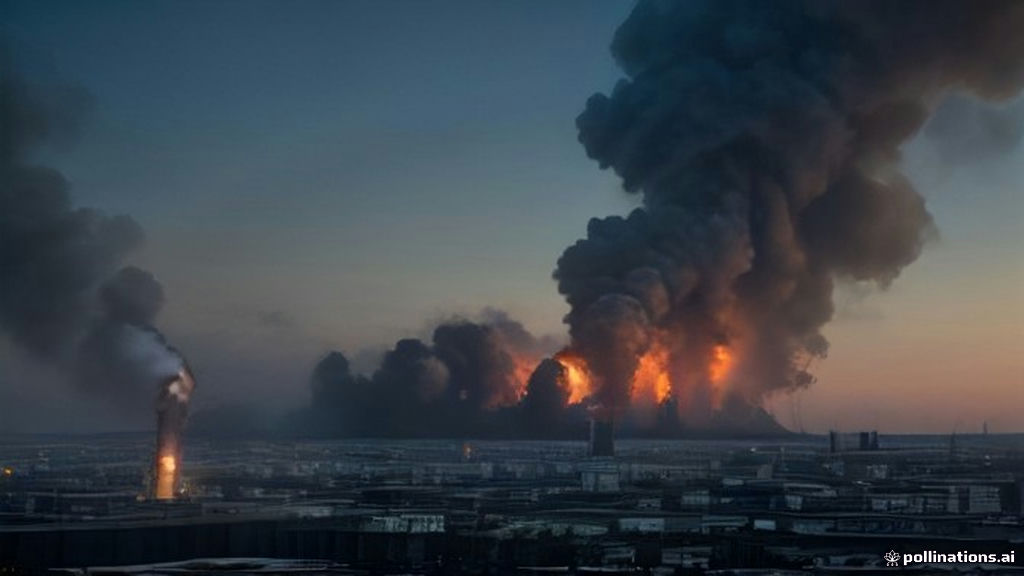
A catastrophic Bangkok oil facility explosion shook the city’s industrial sector earlier today, sending towering plumes of dark smoke billowing into the atmosphere and triggering widespread panic among nearby residents. Emergency services rushed to the scene within minutes, establishing an immediate security perimeter while specialized hazardous materials units worked tirelessly to contain the blaze and prevent secondary detonations at the critical energy hub.
- A massive industrial blast shook a major oil facility in Bangkok, sending thick plumes of black smoke across the skyline.
- Emergency response teams and hazardous materials units were immediately deployed to secure the perimeter and contain potential leaks.
- Local authorities have launched a comprehensive safety audit following the incident to determine the exact root cause of the explosion.
- Initial assessments report localized disruptions as surrounding residential and commercial zones remain under strict monitoring.
Ground Realities & Latest Developments
The sudden blast reverberated across multiple districts, shattering windows in nearby commercial buildings and prompting swift evacuations of workers from the affected site. Fire suppression units deployed foam-chemical systems to tackle the intense hydrocarbon flames, battling high temperatures and volatile fuel sources. Municipal health departments issued immediate advisory warnings for residents within a five-kilometre radius to stay indoors and keep windows sealed against potential toxic emissions from the burning petroleum products.
Historical Context & Policy Background
Industrial safety regulations in Thailand’s urban manufacturing and energy sectors have faced increasing scrutiny over the past decade. Rapid metropolitan expansion has pushed residential neighborhoods closer to legacy petrochemical infrastructure, heightening the urgency for stringent regulatory oversight. Safety inspectors note that while routine maintenance mandates exist, aging infrastructure often presents severe operational vulnerabilities under peak load conditions.
Voices from the Valley: Community & Expert Perspectives
Local residents have voiced profound anxiety regarding the proximity of hazardous energy installations to populated residential zones. Community leaders gathered near the police barricades, demanding greater transparency from corporate operators regarding disaster preparedness and emergency communication protocols. Energy safety analysts point out that modernizing containment mechanisms is vital to protecting densely populated Asian metropolitan centers from industrial disasters.
• Response Time: Under 10 minutes from initial alert
• Evacuation Radius: 5-kilometre security perimeter established
• Environmental Status: Air quality monitoring stations on high alert
The scale of the Bangkok oil facility explosion demands an immediate, transparent accounting of industrial safety compliance and emergency response readiness.
Strategic Ramifications & The Road Ahead
The fallout from this incident extends far beyond local structural damage, threatening to disrupt national fuel distribution networks and prompting national policymakers to re-evaluate industrial zoning laws. Ministries are expected to mandate comprehensive structural stress tests for all major refineries operating within municipal boundaries, aiming to avert future catastrophes.
Frequently Asked Questions (FAQ)
What caused the Bangkok oil facility explosion?
Official investigations by municipal safety boards and forensic engineers are currently underway to determine the exact mechanical or operational trigger behind the blast.
Are nearby residents safe from toxic smoke?
Health authorities have advised residents within a five-kilometre radius to remain indoors and wear protective masks while environmental monitoring teams analyze air quality metrics.
Will this incident impact national fuel supplies?
While temporary logistical bottlenecks are anticipated, secondary distribution terminals are stepping up operations to mitigate fuel shortages across the region.
Verified newsroom reporting by international investigative desk. Updates will follow as official government statements are released.