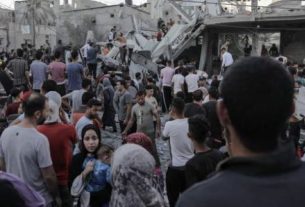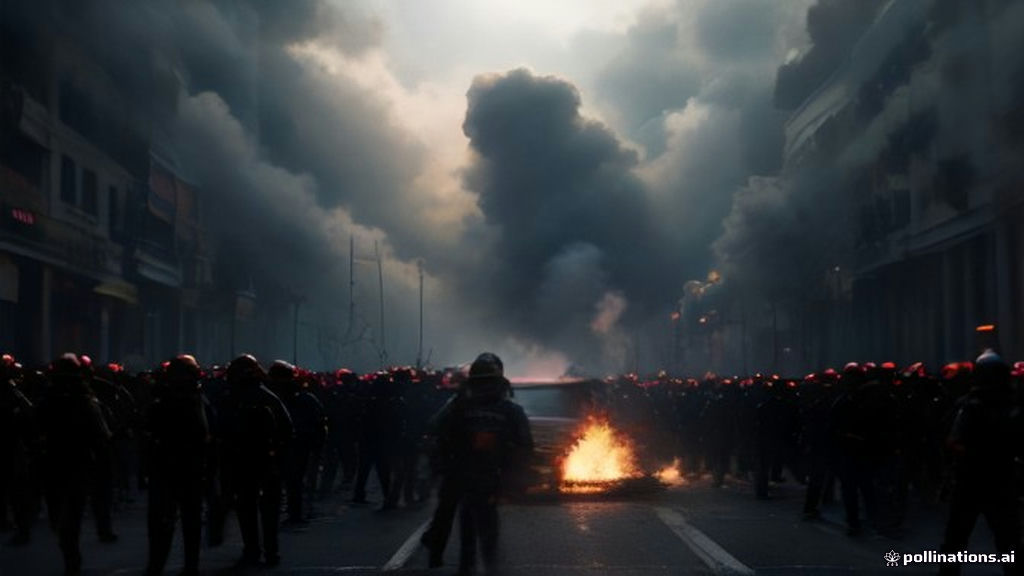
Tirana protests turned violently chaotic today when a law enforcement officer was set on fire during intense street clashes outside official government buildings in the heart of Albania’s capital. The shocking incident has sent severe shockwaves through the nation, escalating a tense political atmosphere into an immediate security crisis as emergency responders and security forces rush to contain the spreading unrest.
- A police officer was severely injured after being set on fire during violent Tirana protests outside government headquarters.
- Demonstrations erupted amid escalating political tensions and public frustration over ongoing economic and governance challenges.
- Emergency medical services rushed the wounded law enforcement personnel to a local hospital for urgent critical care.
- Security forces have deployed heavy containment measures across the capital to restore public order and prevent further escalation.
Ground Realities & Latest Developments
The situation on the ground in Albania’s capital remains highly volatile. What began as an organized public demonstration quickly deteriorated as groups of agitators clashed directly with riot police units. Paving stones, flares, and incendiary devices were hurled toward law enforcement lines, culminating in the horrific attack where a police officer caught fire.
Eyewitness accounts describe scenes of absolute panic as fellow officers and emergency personnel scrambled to extinguish the flames engulfing the injured policeman. Medical teams confirmed that the victim sustained serious burns and is currently receiving intensive medical intervention at a specialized trauma facility in Tirana.
Historical Context & Policy Background
These Tirana protests do not occur in a vacuum. Albania has experienced waves of civil unrest in recent years, driven by deep-seated political polarization, economic pressures, and allegations of institutional corruption. Opposition groups and citizens have frequently taken to the streets to voice grievances against government policies, leading to recurring friction between demonstrators and state security apparatuses.
Authorities have repeatedly called for peaceful dialogue, yet frustrations among the populace continue to boil over, creating an environment where demonstrations can rapidly pivot from civilian expression to destructive confrontation.
The deliberate targeting of law enforcement personnel crosses a dangerous legal and moral threshold that threatens the safety of every citizen in our democratic society.
Data Breakdown & Key Metrics
| Metric Indicator | Current Status / Figure |
|---|---|
| Location of Unrest | Central Tirana, Albania |
| Primary Incident | Police officer set on fire |
| Security Response | High-alert riot deployment |
| Medical Status | Hospitalized in critical care |
Strategic Ramifications & The Road Ahead
The escalation witnessed during the Tirana protests is expected to trigger urgent policy reviews regarding public safety management and crowd control protocols in Albania. Government officials are facing mounting pressure from both domestic and international observers to address the root causes of civil discontent while holding accountable those responsible for acts of extreme violence against public servants.
As police reinforcements secure key intersections across the city, political leaders from all factions are weighing their next moves to prevent further deterioration of public order.
Frequently Asked Questions (FAQ)
What triggered the Tirana protests?
The demonstrations were fueled by ongoing political tensions, economic dissatisfaction, and public grievances against state governance.
What is the condition of the injured police officer?
The officer sustained serious burn injuries after being set on fire and was immediately transferred to a specialized medical facility for emergency treatment.
How has the government responded to the violence?
State authorities have deployed heavy security cordons across Tirana, condemned the targeted violence, and launched comprehensive investigations to identify and prosecute the perpetrators.