Europe finds itself caught in a precarious balancing act as persistent reliance on Europe fossil fuels undermines both its green transition targets and its broader geopolitical posture. Recent ground reports from intelligence and policy desks highlight that despite years of legislative pledges, the continent’s energy infrastructure remains tethered to traditional commodities. This structural vulnerability is further compounded by fierce debates over military readiness, particularly regarding suggestions to draw down United States troop deployments across the continent.
- Europe continues to grapple with deep-seated reliance on traditional energy sources despite aggressive climate targets.
- Strategic analysts warn that reducing US troop presence in the region risks projecting weakness to Moscow.
- Industrial stakeholders cite infrastructure lags and economic hurdles as primary obstacles to a rapid green transition.
- Policymakers are urged to balance immediate energy grid demands with long-term decarbonisation commitments.
Ground Realities & Latest Developments
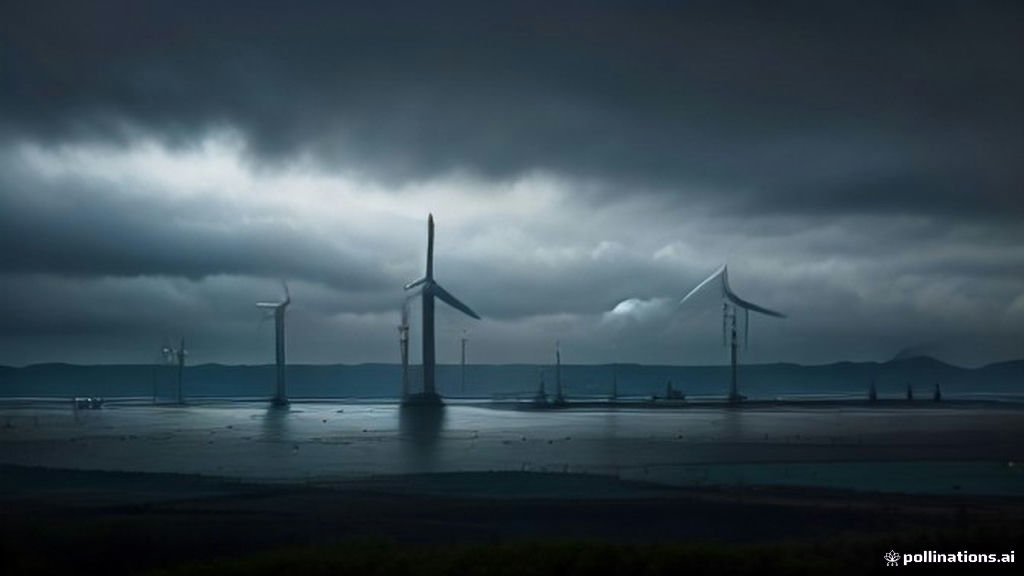
On the ground across major industrial hubs in Western and Eastern Europe, factories and municipal heating grids still draw heavily on conventional energy inputs. While renewable capacity additions have surged over the past decade, grid bottlenecks and storage limitations mean that intermittent wind and solar outputs cannot yet fully supplant baseload fossil generation. Analysts note that geopolitical shocks have forced governments to secure short-term supply fixes, inadvertently stalling structural phase-out timelines.
Simultaneously, defence analysts argue that economic stability is inextricably linked to military deterrence. Discussions regarding potential reductions of United States forces stationed in European allied nations have ignited fierce debate in capitals from Warsaw to Brussels. Security experts caution that any perceived retreat would signal vulnerability to external adversaries, complicating diplomatic efforts to secure regional borders and energy corridors alike.
Historical Context & Policy Background
For decades, the European Union pursued an ambitious decarbonisation agenda designed to set global benchmarks for climate governance. However, the foundational assumption of uninterrupted, cheap commodity imports was shattered by recent continental energy crises. Governments scrambled to fill storage reserves, demonstrating the rigid limits of transitioning away from legacy energy systems without inflicting severe economic shocks on manufacturing sectors.
Data Breakdown & Key Metrics
| Metric Indicator | Current Status | Strategic Impact |
|---|---|---|
| Fossil Dependency Share | Moderate to High | Grid vulnerability during peak demand |
| Renewable Integration Lag | 18% Behind Target | Storage deficits stalling complete phase-out |
| Allied Defense Posture | Contested | Risk of signaling strategic weakness |
Voices from the Valley: Community & Expert Perspectives
Local manufacturers and municipal leaders report feeling squeezed between stringent environmental mandates and the high cost of alternative industrial inputs. “We want to modernize our production lines, but the grid cannot guarantee uninterrupted green power,” explains a senior industrial coordinator based in Central Europe. “Until storage technology matches industrial demand, quitting traditional energy sources overnight remains an impossibility rather than a policy choice.”
Energy security and military deterrence are two sides of the same coin; showing weakness on either front invites strategic instability across the continent.
Strategic Ramifications & The Road Ahead
As policymakers draft upcoming legislative frameworks, the challenge lies in aligning pragmatic energy procurement with rigorous climate goals. Observers emphasize that rushing the transition without robust grid upgrades risks severe economic backlash, while dragging feet invites long-term environmental and security penalties. Maintaining strong allied defense commitments alongside accelerated domestic energy innovation remains the primary imperative for European leadership.
Frequently Asked Questions (FAQ)
Why is Europe struggling to quit fossil fuels?
Europe faces infrastructure bottlenecks, energy storage limitations, and high industrial costs that prevent an immediate, complete shift to renewable energy sources without risking economic instability.
How does military troop presence affect energy security?
Maintaining robust allied military deployments ensures regional stability and protects critical energy supply corridors from external coercion or geopolitical aggression.
What are the primary hurdles for renewable energy integration in Europe?
The main hurdles include intermittent power generation, insufficient battery storage capacity, and slow regulatory approval for trans-continental transmission grids.
Reporting by our international desk in Brussels and Washington. Verified newsroom desk review completed under strict journalistic standards.