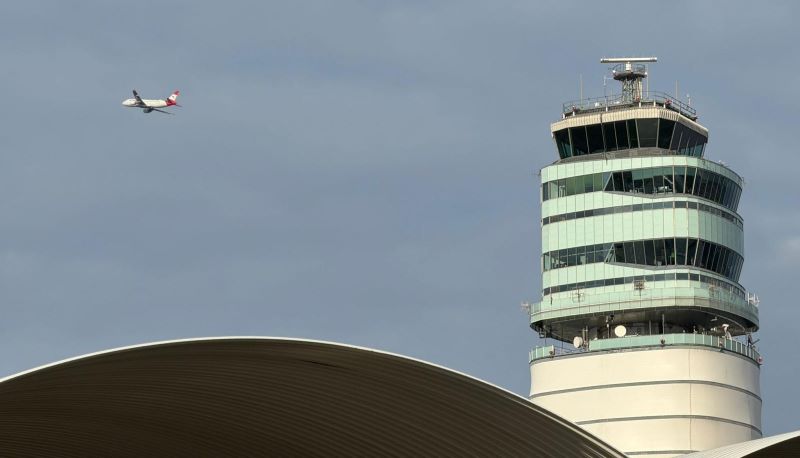
On Tuesday morning, a chartered plane lifted off carrying sixteen people toward a country they had hoped to leave behind. Austria, Germany and Belgium had joined forces for the flight, coordinated by Frontex, the European Union’s border agency, and its destination was the Democratic Republic of Congo, reported by Heute.
Belgium sent the largest group, nine people. Germany contributed one. Austria sent six, all of them Congolese men who, according to the authorities, had no legal right to remain in the country. One of the six had a criminal conviction for document forgery.
For Interior Minister Gerhard Karner of the conservative ÖVP, the flight was more than a logistical operation. It was a statement of political will. “People without the right to stay and criminals must leave Austria,” he said, “if not voluntarily, then by force.” He described this as a core element of an asylum system that is “strict, tough and therefore fair,” adding that it shows the government is doing everything it can to be “master in its own house” again.
Behind the minister’s firm words stand numbers that the Interior Ministry presents with evident pride. More than 13,000 people have been deported from Austria so far this year, which the ministry says is a new record. The figure carries a second meaning for the government. Officials point to what they call “negative immigration,” a situation in which the number of deportations is greater than the number of new asylum applications arriving in the country.
Such statistics, of course, tell only part of the story. Each figure on the ministry’s list is a person with a name, a past and, often, a reason for having come. Supporters of the tougher course argue that clear rules must be enforced if the asylum system is to keep the public’s trust. Critics tend to counter that enforcement must never lose sight of human dignity or individual circumstances.
For now, the plane has landed, and the government has its headline. Whether the policy behind it will be remembered as firmness or as severity is a question the coming years will answer.