

Watchdogs Sound Alarm as Journalists Vanish in El-Fasher Blackout
LONDON — Human rights groups and press watchdogs are raising urgent alarms over the fate of journalists in El-Fasher, the last major city in Sudan’s Darfur region to fall to the paramilitary Rapid Support Forces (RSF), amid what activists describe as a “total information blackout, according to Arab News.”
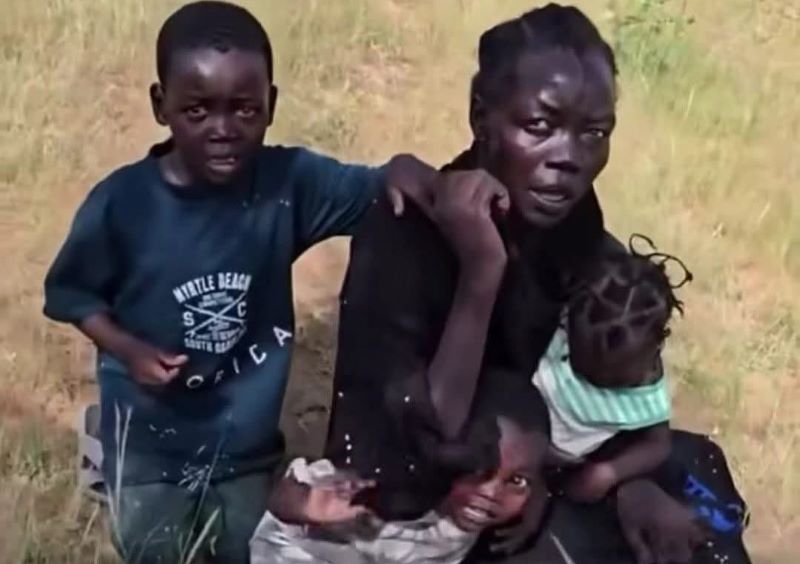
The RSF’s seizure of El-Fasher after an 18-month siege marks a grim new chapter in Sudan’s civil war, which erupted in April 2023 between the RSF and the Sudanese Armed Forces. The battle’s aftermath has left the city of roughly 260,000 people; half of them children; trapped without communications, food, or medical access.
The Sudanese government has accused the RSF of killing more than 2,000 civilians during its takeover last weekend. Independent verification has been nearly impossible, however, as phone and internet services remain cut off.
The Committee to Protect Journalists (CPJ) says at least eleven reporters are missing, including freelance journalist Muhammad Ibrahim, who appeared in an RSF video showing him captured while fleeing the city. On Thursday, the CPJ said it had confirmed that three of the missing had escaped El-Fasher, but the rest remain unaccounted for.
“The RSF’s narrative, that it is targeting terrorists and not civilians, follows a familiar playbook,” said Sara Qudah, CPJ’s regional director. “It begins with denial, continues with blame-shifting, and ends with silencing those who expose the truth.”
Activists describe the situation as a “chilling escalation” of the RSF’s campaign of repression. The Sudan Media Forum condemned the attacks as showing “complete disregard for international law and human dignity,” urging the international community to pressure the RSF to allow humanitarian aid and to halt what it called “summary executions” and “ethnically motivated killings.”
The CPJ called for targeted sanctions and immediate international intervention. “This blackout fosters impunity and erodes accountability,” Qudah warned. “The world can no longer afford to wait to act journalists’ lives, and the public’s right to know, are at stake.”





