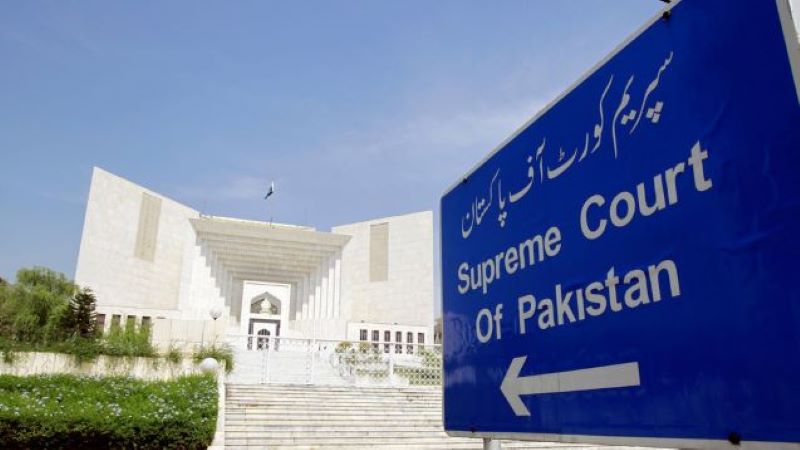
In a controversial turn of events, Pakistan’s Supreme Court has overturned its previous ruling and restored key provisions of the Army Act, paving the way once again for civilians to be tried in military courts. The 5-2 majority decision is seen by many as a blow to democratic norms and judicial independence in the country.
This reversal comes after months of legal debate, particularly regarding the military’s role in prosecuting civilians linked to the May 9, 2023 protests. Those protests erupted nationwide after former Prime Minister Imran Khan was dramatically arrested from the Islamabad High Court premises. In the unrest that followed, demonstrators stormed several military buildings, including the Corps Commander House in Lahore and GHQ in Rawalpindi.
In the aftermath, military courts sentenced 85 PTI activists to prison terms ranging from two to ten years. While the army later accepted mercy petitions for 19 of those individuals, the legal process itself sparked nationwide concern over fairness and transparency.
The reinstated sections of the Army Act—especially 2(1)(d)(i), 2(1)(d)(ii), and 59(4)—extend military court jurisdiction over civilians. Although the Supreme Court has asked the government to introduce a right of appeal within 45 days, this move does little to ease fears of a judiciary overshadowed by military influence.
Pakistan now finds itself treading a path dangerously close to countries like Egypt, where the military wields unchecked power over civilian life and courts operate under the shadow of generals rather than the shield of law. In both nations, the use of military tribunals against political dissidents and protestors reveals a pattern: when democratic institutions stand up to the powerful, the military is summoned not just as protector, but judge.
Critics argue that such trials not only violate the principle of civilian supremacy but also erode public trust in civilian courts. Judicial decisions that appear to buckle under military pressure reflect a deeper crisis in Pakistan’s democracy—one where the gavel often yields to the gun.
As the government prepares to legislate an appeal process, the larger question remains: Can a country truly call itself democratic when civilians are judged behind closed doors in military courts?