Vienna — Incoming Austria’s government, led by the conservative ÖVP and far-right FPÖ, is under fire for proposing restrictions on healthcare access for asylum seekers. The plan seeks to limit refugees and asylum applicants to emergency medical services only. Additionally, a monthly deduction of 10 euros from their basic support allowance is proposed to cover healthcare contributions.
Government officials argue that the measure would reduce pressure on Austria’s healthcare system. However, critics claim it undermines human dignity and violates ethical medical obligations. There are also suggestions to tie healthcare access to specific integration requirements once asylum seekers obtain legal status.
Legal expert Peter Bußjäger highlighted constitutional concerns, stating that restricting access to medical care may face legal hurdles. “Access to adequate healthcare must never be denied,” Bußjäger emphasized, noting that treatment for urgent conditions is a fundamental right regardless of immigration status.
Medical professionals have also expressed strong opposition. The Vienna Medical Association stressed that doctors are bound by the Hippocratic Oath to treat all patients without discrimination. “Our duty is to provide the best possible care,” a spokesperson affirmed.
Despite claims of financial benefits, the proposal appears economically insignificant. With approximately 13,000 asylum seekers currently in Austria, the monthly deductions would amount to only 1.5 million euros annually—a negligible sum compared to Austria’s healthcare budget of 40.3 billion euros.
Lukas Gahleitner-Gertz, spokesperson for Asylkoordination Österreich, dismissed the measure as “pointless.” He argued that it would neither generate meaningful savings nor improve the healthcare system.
The policy has also raised concerns about public health risks. Gahleitner-Gertz warned that denying essential treatment to asylum seekers, many of whom require ongoing medical care, could jeopardize overall health security.
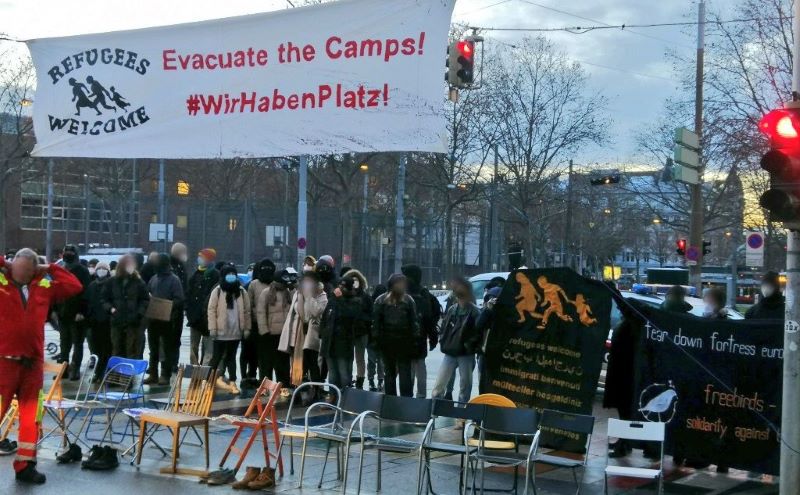
The proposal has sparked widespread criticism from human rights advocates, who argue that it contradicts Austria’s ethical and legal obligations. The government’s move has ignited fierce debate over immigration and healthcare rights in the country.