Pakistani Prime Minister faces fierce backlash as government joins American peace initiative alongside Israel, abandoning decades of solidarity with Palestine
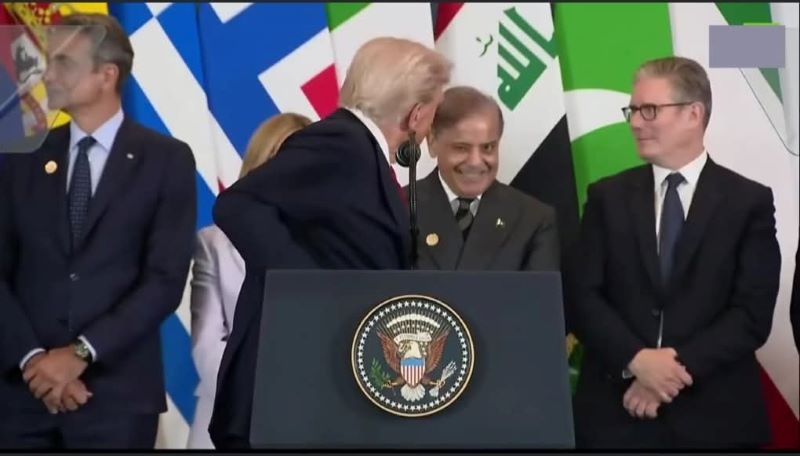
When Shehbaz Sharif affixed his signature to Donald Trump’s Board of Peace charter in Davos last week, he may not have anticipated the storm brewing back home, according to NDTV. The Pakistani Prime Minister’s endorsement of the American led initiative, originally conceived to oversee Gaza’s ceasefire and reconstruction, has ignited furious debate across a nation whose very identity has been intertwined with the Palestinian cause since 1947.
The irony is unmistakable. In 2020, then-opposition leader Sharif condemned Trump’s “Peace to Prosperity” plan as “unjust, biased and oppressive”, declaring it deserving of being torn to pieces by Palestinians. He wrote passionately on social media that the proposal “essentially legitimises Israeli annexation of Jerusalem and illegal settlements on Palestinian land.” Six years later, the same man now champions a Trump peace mechanism that seats Pakistan alongside Israel.
This volte-face has exposed the profound contradictions within Pakistan’s establishment. Since partition, Pakistan’s refusal to recognise Israel has been foundational, a cornerstone of national ideology. The country’s military doctrine and political rhetoric have been built upon twin pillars: opposition to India and solidarity with Palestine against Israeli occupation. For generations, the Pakistan Armed Forces have drawn legitimacy from this stance, with anti-Israel sentiment running particularly deep amongst junior officers and rank-and-file soldiers below the rank of brigadier.
Yet Islamabad’s participation in the Board of Peace suggests that pragmatism may be trumping principle at the highest echelons. The government frames its involvement as supporting humanitarian aid and permanent ceasefire for Palestinians. Critics see shameful betrayal.
Pakistan Tehreek-e-Insaf, the party of imprisoned former Prime Minister Imran Khan, has categorically rejected the decision, demanding withdrawal until proper parliamentary consultation occurs. The party argues that such internationally significant decisions require transparency and cannot bypass democratic scrutiny.
Prominent voices have expressed dismay. Author Fatima Bhutto called it “a disgrace” that Pakistan would sit alongside “the very perpetrators of the Palestinian Holocaust.” Journalist Zahid Hussain labelled it potentially “the most disastrous thing” for Pakistan. Activist Ammar Ali Jan decried the “shameful betrayal by the regime”, noting the decision faced neither media debate nor parliamentary discussion.
The controversy transcends political affiliations. Across Pakistan’s ideological spectrum, from religious conservatives to secular progressives, support for Palestine remains virtually unanimous. The government’s alignment with a Trump-led initiative that includes Israel challenges seventy-seven years of unwavering national consensus.
As international pressure mounts and domestic fury intensifies, Sharif’s gambit raises uncomfortable questions about whether Pakistan’s foreign policy is being quietly rewritten and at what cost to the nation’s soul.