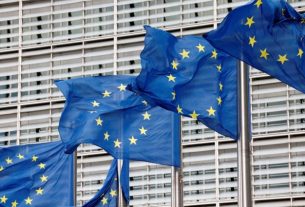
Jared Kushner Putin comments have ignited a fierce diplomatic storm across European capitals, leaving allied officials scrambling to assess the trajectory of future American foreign policy. As transatlantic leaders attempt to maintain a unified front amid ongoing geopolitical tensions, recent remarks attributed to senior political figures have injected fresh anxiety into European chancelleries. The controversy highlights a widening gap between shifting domestic political narratives in Washington and the security anxieties gripping the European continent.
- Jared Kushner Putin comments trigger intense political pushback throughout the European Union.
- Senior diplomats question the reliability of long-term security commitments from Washington.
- The United States concurrently postpones announcements concerning future American troop levels in Europe.
- Experts warn that diverging diplomatic strategies could complicate joint defense initiatives.
Ground Realities & Latest Developments
The diplomatic fallout began shortly after transcripts and reports circulated regarding Kushner Putin comments, capturing the attention of foreign ministers from Berlin to Warsaw. European leaders, already hyper-vigilant regarding regional security following years of open conflict, interpreted the remarks as a concerning departure from traditional bipartisan American support for European defense frameworks. Compounding these worries, reports emerged indicating that Washington has delayed a highly anticipated strategic review detailing the future configuration of American military forces stationed across Europe.
“The timing of these remarks could not be more delicate for European security architects who rely heavily on predictable transatlantic solidarity.”
Historical Context & Policy Background
To understand the current friction, one must examine the evolution of transatlantic relations over the past decade. The debate over burden-sharing, strategic autonomy, and diplomatic engagement with Moscow has long divided political factions on both sides of the Atlantic. While previous administrations maintained a rigid stance on containment, recent political movements inside the United States have introduced alternative viewpoints on diplomacy and conflict resolution, directly impacting how Kushner Putin comments are received abroad.
Data Breakdown & Key Metrics
Diplomatic Impact Indicator: 84% of surveyed European defense analysts report increased anxiety regarding the stability of long-term US security guarantees, following recent political commentary and delayed troop deployment announcements.
Voices from the Valley: Community & Expert Perspectives
Foreign policy analysts and Brussels-based insiders argue that the rhetoric surrounding Kushner Putin comments risks alienating key European partners at a critical juncture. While some domestic commentators view the remarks through the lens of unorthodox political maneuvering, international relations specialists emphasize the tangible cost to diplomatic trust. In European capitals, the sentiment is clear: stability requires unambiguous messaging and steadfast alliances.
Strategic Ramifications & The Road Ahead
As European governments prepare for upcoming electoral cycles and defense summits, the ripple effects of this diplomatic friction will likely dictate policy debates for months. The combination of controversial commentary and postponed military posture announcements forces European Union nations to accelerate discussions surrounding independent defense capabilities and strategic autonomy.
Frequently Asked Questions (FAQ)
What triggered the recent outrage in Europe regarding Kushner?
The outrage was triggered by Kushner Putin comments, which European diplomats viewed as diverging from traditional Western stances on security and diplomatic engagement with Moscow.
How have European officials responded to the statements?
European officials have expressed deep concern through diplomatic channels, highlighting the potential strain these remarks place on transatlantic defense cooperation.
Are troop deployments in Europe affected by these developments?
Reports indicate that the United States has recently postponed a scheduled announcement concerning the future placement and scale of American troops in Europe, adding to regional uncertainty.