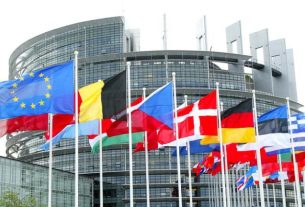
As the European security crisis reaches a critical juncture, political capitals from Berlin to Warsaw are confronting an uncomfortable reality: fragmentation could prove fatal to the continent’s stability. With escalating threats emanating from Moscow, continental leaders are urgently pressed to forge a unified voice to deter further aggression. The stakes could not be higher as foreign policy experts warn that divisions among member states only invite opportunistic maneuvers by adversaries.
- European leaders call for a unified political and military stance against escalating threats from Moscow.
- The continent continues to struggle with its lingering reliance on fossil fuels, complicating strategic autonomy.
- Defense analysts warn that reducing US troop presence in Europe would signal dangerous weakness to the Kremlin.
- Policymakers are under intense pressure to overhaul defense frameworks before the upcoming geopolitical shifts take full effect.
Ground Realities & Latest Developments
On the ground, military planners and diplomats are working overtime to shore up eastern borders. Intelligence briefings shared among allied nations highlight a persistent campaign of hybrid warfare, cyber intrusions, and saber-rattling along the frontier. Yet, despite the obvious perils, policy synchronization remains elusive. Individual nations often pursue unilateral diplomatic tracks, diluting the collective leverage necessary to alter strategic calculations in the Kremlin.
Historical Context & Policy Background
This vulnerability is not entirely military; it runs deep into the economic veins of the continent. Decades of energy sourcing left nations exposed, and recent efforts to transition away from traditional hydrocarbons have encountered severe logistical and financial bottlenecks. Europe still isn’t ready to quit fossil fuels completely, creating a paradox where economic necessity clashes with geopolitical security imperatives.
Concurrently, debates surrounding transatlantic security commitments have reignited anxiety. Proposals or hints regarding the reduction of US troops in Europe are met with stern warnings from defense specialists who argue that any drawdown would show weakness to Moscow at the exact moment deterrence needs maximum reinforcement.
Voices from the Valley: Community & Expert Perspectives
Senior defense analysts point out that hardware alone cannot solve a crisis rooted in political indecision. Unity requires shared sacrifice and an alignment of national interests that transcends domestic political cycles.
“If Europe speaks with twenty different voices, it speaks with none. The European security crisis demands absolute clarity of purpose and unbreakable solidarity.”
Data Breakdown & Key Metrics
| Strategic Metric | Current Status | Strategic Impact |
|---|---|---|
| Political Alignment | Fragmented | High Vulnerability |
| Fossil Fuel Reliance | Ongoing | Medium Risk |
| US Troop Presence | Stable (under review) | Critical Deterrent |
Strategic Ramifications & The Road Ahead
Looking forward, the path to genuine security rests on two pillars: economic independence and a harmonized defense doctrine. Unless policymakers address the root causes of energy vulnerability and command a collective deterrence posture, the continent will remain susceptible to external coercion. The coming months will test whether institutional resolve can match the gravity of the threat.
Frequently Asked Questions (FAQ)
What is driving the current European security crisis?
The crisis is driven by escalating threats from Moscow, lingering energy vulnerabilities, and debates over transatlantic military support.
Why is a unified European voice considered essential?
A unified stance prevents adversaries from exploiting diplomatic divisions and maximizes the collective deterrent power of allied nations.