Millions of Americans preparing for holiday festivities faced a grueling reality this week as a destructive US Thanksgiving storm swept across regions, unleashing heavy rain, ferocious winds, and widespread flooding. What was meant to be a time of warmth, travel, and family gatherings turned into a logistical nightmare, exposing the vulnerability of local infrastructure against severe meteorological events.
- A powerful storm system disrupted Thanksgiving celebrations across the United States with heavy rain, high winds, and severe flooding.
- More than 724,000 homes and businesses were left without electricity as utility crews struggled against hazardous field conditions.
- Airlines were forced to cancel over 400 flights, stranding thousands of holiday passengers at major transit hubs.
- Emergency response teams remain on high alert as adverse weather alerts persist across multiple affected regions.
Ground Realities & Latest Developments
The tempest struck at the worst possible moment, coinciding with the peak of holiday travel. Transport arteries ground to a halt as torrential downpours reduced visibility on major highways, leading to numerous traffic accidents. Coastal and low-lying areas experienced rapid urban flooding, trapping motorists and prompting local emergency services to execute swift-water rescues.
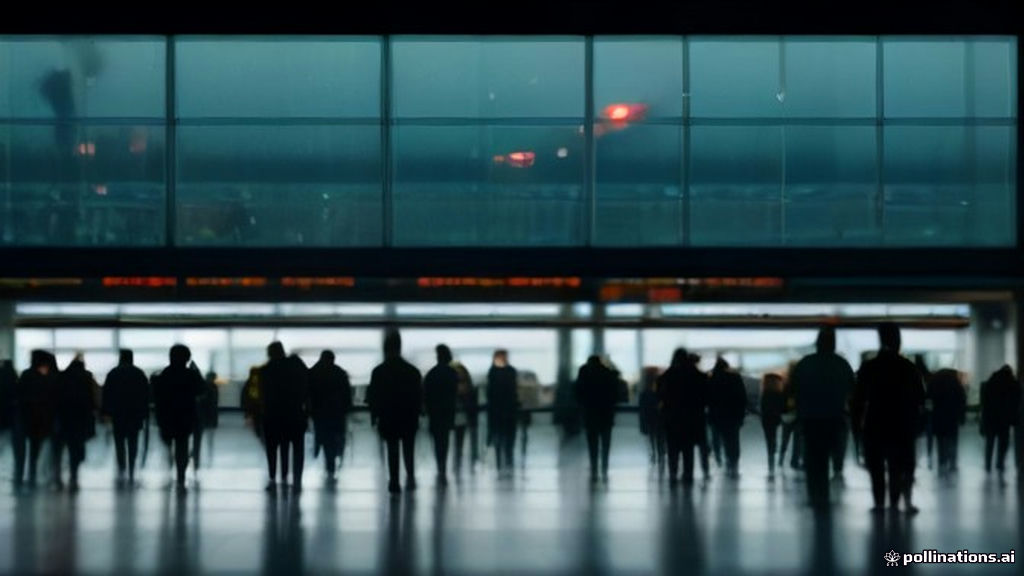
At airports, departure boards flashed red as airlines implemented sweeping cancellations. More than 400 flights were scrubbed by mid-day, while thousands of other journeys experienced cascading delays. Passengers packed terminals, sleeping on baggage claims and waiting in endless queues for rebooking assistance.
Historical Context & Policy Background
Severe weather events during major holiday periods historically strain municipal resources and national transit networks. The Federal Emergency Management Agency (FEMA) and local authorities have continuously upgraded storm response frameworks, yet aging power grids and drainage systems routinely face immense pressure during extreme climate anomalies.
“The sheer velocity of this storm caught many by surprise. Our priority right now is life safety, restoring power to critical infrastructure, and assisting stranded travelers.” — Emergency Operations Director
Data Breakdown & Key Metrics
Impact Snapshot:
- Total Power Outages: 724,000+ customers
- Cancelled Flights: 400+ nationwide
- Primary Hazards: Heavy rain, wind gusts, urban flooding
- Response Status: Active emergency deployments
Voices from the Valley: Community & Expert Perspectives
Local residents expressed frustration as dinner plans and family reunions were abruptly cancelled. In neighborhoods blanketed by darkness, communities rallied together, sharing generators and checking on elderly neighbors. Utility workers operating in treacherous conditions reported snapped power lines and fallen trees blocking access to major substations.
Meteorologists note that atmospheric conditions fueled an unusually rapid intensification of the storm front, leaving little lead time for municipal preventative measures.
Strategic Ramifications & The Road Ahead
As the weather system slowly tracks eastward, municipal leaders are already calling for accelerated investments in grid resilience and stormwater management. The economic toll of holiday travel disruptions, coupled with massive utility repair bills, underscores the urgent need for climate-adapted infrastructure across vulnerable transit corridors.
Frequently Asked Questions (FAQ)
What caused the US Thanksgiving storm?
A fast-moving, high-energy low-pressure system collided with abundant moisture streams, generating severe winds, heavy rainfall, and widespread flooding across multiple states.
How many people were left without power?
Over 724,000 homes and businesses experienced power outages as heavy winds downed electrical lines.
Are flights expected to resume normal schedules soon?
Airlines are working to restore normal operations as weather conditions improve, but passengers are strongly advised to check flight statuses before departing for the airport.
Ground reporting and data compilation by the National Desk. All figures verified via emergency dispatch feeds and federal transit updates.